Category: Health

  • How to Stay Active during an 8 Hour Desk Job

    How to Stay Active during an 8 Hour Desk Job

    Sitting at a desk all day is hard on the body. Many office workers feel stiff, tired, or sore by 5:00 PM. Humans are built to move, but modern work often keeps us glued to a chair. You do not need a gym at the office to stay healthy. Small, consistent actions can keep your blood flowing and your mind sharp. These minor shifts in your routine prevent long-term injury and boost your daily productivity. Staying active at work is about making movement a natural part of your professional life.

    How to Stay Active during an 8 Hour Desk Job

    The Cost of a Sedentary Lifestyle

    Sitting for long periods can lead to back pain and tight hips. This is often called postural strain. It slows your blood flow and may lead to brain fog. When you stay still, your muscles go into a resting state. This makes it harder for your body to manage blood sugar and burn fat. Breaking up these long periods of sitting is the best way to improve your metabolic health and avoid office neck pain.

    Chronic sitting also impacts your mood. It can make you feel sluggish or irritable. Your body needs oxygen to function at its peak. When you move, you breathe deeper. This brings more oxygen to your brain. It helps you stay alert during a long shift.

    Start with Your Ergonomic Setup

    A good setup helps you move more naturally. If you have the option, use a height-adjustable standing desk. You do not have to stand all day. Switch between sitting and standing every 30 to 60 minutes. This change in posture keeps your core muscles engaged.

    If you must sit, check your ergonomics. Keep your feet flat on the floor. Your knees should be at a 90-degree angle. Place your screen at eye level so you do not lean forward. Posture correction reduces lumbar strain. It also makes it easier to stand up quickly. Choose a chair that supports the curve of your lower back. If your chair is flat, use a small pillow for support.

    Use the Power of Micro-Breaks

    Do not wait for your lunch hour to move. Take a “micro-break” every hour. Set a timer on your phone or computer. When it goes off, stand up and perform desk stretches for two minutes. Reach for the ceiling. Roll your shoulders back. Twist your torso gently from side to side. These short bursts of movement reset your focus. They wake up your nervous system.

    You can also use these breaks for “eye yoga.” Look away from your screen. Focus on a distant object. This helps prevent the strain that leads to late-day headaches.

    Master the “Active Meeting”

    Meetings are a major part of the workday. They are also a great time for workplace wellness. If you are on a phone call, walk around the room. Use a wireless headset so you can move freely. If you have a one-on-one meeting, suggest a walking meeting. Fresh air and NEAT (Non-Exercise Activity Thermogenesis) often spark better ideas than sitting in a gray room.

    During video calls where you do not need to be on camera, try standing up. You can even do gentle stretches while you listen. This keeps you from slouching into your chair for an hour.

    Simple Office Exercises for Low-Impact Activity

    You can work out without breaking a sweat or changing clothes. Try these office workouts throughout the day:

    • Leg Raises: While sitting, straighten one leg under your desk. Hold it for five seconds. Repeat with the other leg. This strengthens your quadriceps.
    • Calf Raises: Stand behind your chair and hold the back for balance. Stand on your feet and slowly come back down. This helps the blood flow back up through the legs.
    • Desk Push-Ups: Place your hands on the edge of a sturdy desk. Step back and slowly do ten push-ups. This strengthens your legs and buttocks.
    • Glute Squeezes: Press your buttocks tightly for ten seconds, then release. This prevents “dead butt syndrome” or inactivity of the buttock muscles (gluteal amnesia).
    • Seated Marches: Raise your knees one by one, as if you are marching while sitting. This improves the mobility of the hips.
    • Wall Sits: Find a flat wall. Lean on it and slide down until your knees bend. Stay in this position for 30 seconds to activate the muscles of the legs.

    Change Your Commute Habits

    How you get to work matters. If you drive, park at the far end of the lot. Those extra steps add up over a week. If you take the bus or train, get off one stop early. Walk the rest of the way. If you live close enough, try biking. Starting your day with low-impact movement gives you more energy than a cup of coffee.

    If you work from home, create a “fake commute.” Walk around the block before you sit down to start your emails. This creates a mental boundary between home life and work life.

    Take the Stairs for Cardio

    The elevator is a trap. It saves time but costs you health. Make a rule to always take the stairs if you are going up fewer than five floors. Climbing stairs is a great way to build leg strength. It improves heart health. This simple stair climbing workout burns more calories per minute than jogging. It is one of the easiest ways to get your heart rate up during the day.

    Drink More Water and Stay Hydrated

    Staying hydrated has a hidden benefit for movement. If you drink a lot of water, you will have to walk to the restroom more often. Also, use a small glass instead of a giant bottle. This forces you to walk to the kitchen or water cooler more frequently to refill it. These small trips keep your joints from locking up.

    Drinking water also prevents snacking. Often, we feel hungry when we are actually just thirsty. Staying hydrated keeps your energy levels stable and your brain sharp.

    Optimize Your Lunch Hour

    Lunch should be about more than just eating. Eat your meal in twenty minutes, then use the rest of the hour to walk. Find a local park or just walk around the block. If the weather is bad, walk the halls of your building. Even a ten-minute walk after eating helps with blood sugar management. It prevents the afternoon energy crash.

    Try to avoid eating at your desk. It is important to change your environment. Looking at something other than your monitor helps your brain rest. You will return to your work with a better attitude.

    How to Stay Active during an 8 Hour Desk Job

    Create a “Movement Culture”

    Talk to your coworkers about staying active. It is easier to move when others are doing it too. Start a step challenge in the office. Place a communal yoga mat in a corner for quick stretches. When movement becomes a shared goal, the office feels more energetic.

    You can also suggest “standing huddles.” Instead of sitting in a conference room, stand in a circle for quick updates. These meetings tend to be shorter and more efficient.

    Focus on Your Eye Health

    Activity is not just about your legs. Your eyes get tired from staring at screens. Follow the 20-20-20 rule. Every 20 minutes, look at something 20 feet away for 20 seconds. This relaxes the eye muscles. It prevents computer vision syndrome and headaches. It also encourages you to shift your head and neck position.

    Post-Work Recovery Routine

    What you do after work matters too. Your body needs to unwind after eight hours of stress. Try a five-minute yoga flow when you get home. Focus on “opening” your chest and stretching your hip flexors.

    Avoid going from a desk chair straight to a couch. Take a quick walk after dinner. This helps your body process the day. It also improves your sleep quality. Better sleep means more energy to stay active the next day.

    Why Consistency Beats Intensity

    You do not need to run a marathon after work to stay healthy. Short, frequent bouts of activity are often better for your body than one long workout. The goal is to avoid being “sedentary” for hours at a time. This approach to active sitting means you gain 40 minutes of activity by the end of the day.

    Small changes are easier to keep up with. If you try to change everything at once, you might quit. Pick one or two habits and stick to them for a week. Once they feel normal, add another.

    Summary of Daily Actions

    To make this easy, follow this simple checklist:

    • Stand up during every phone call.
    • Use the stairs instead of the elevator.
    • Park your car further away from the entrance.
    • Set a timer to stretch every 60 minutes.
    • Walk for at least 15 minutes during your lunch break.
    • Do ten calf raises while waiting for the coffee to brew.
    • Follow the 20-20-20 rule to protect your vision.
    • Stand during at least one meeting per day.

    Staying active at a desk job takes effort at first. Soon, these movements will become habits. You will notice that you have more energy in the evening. Your back will hurt less. Your mood will improve. Start with one or two changes today. Your body will thank you for it.
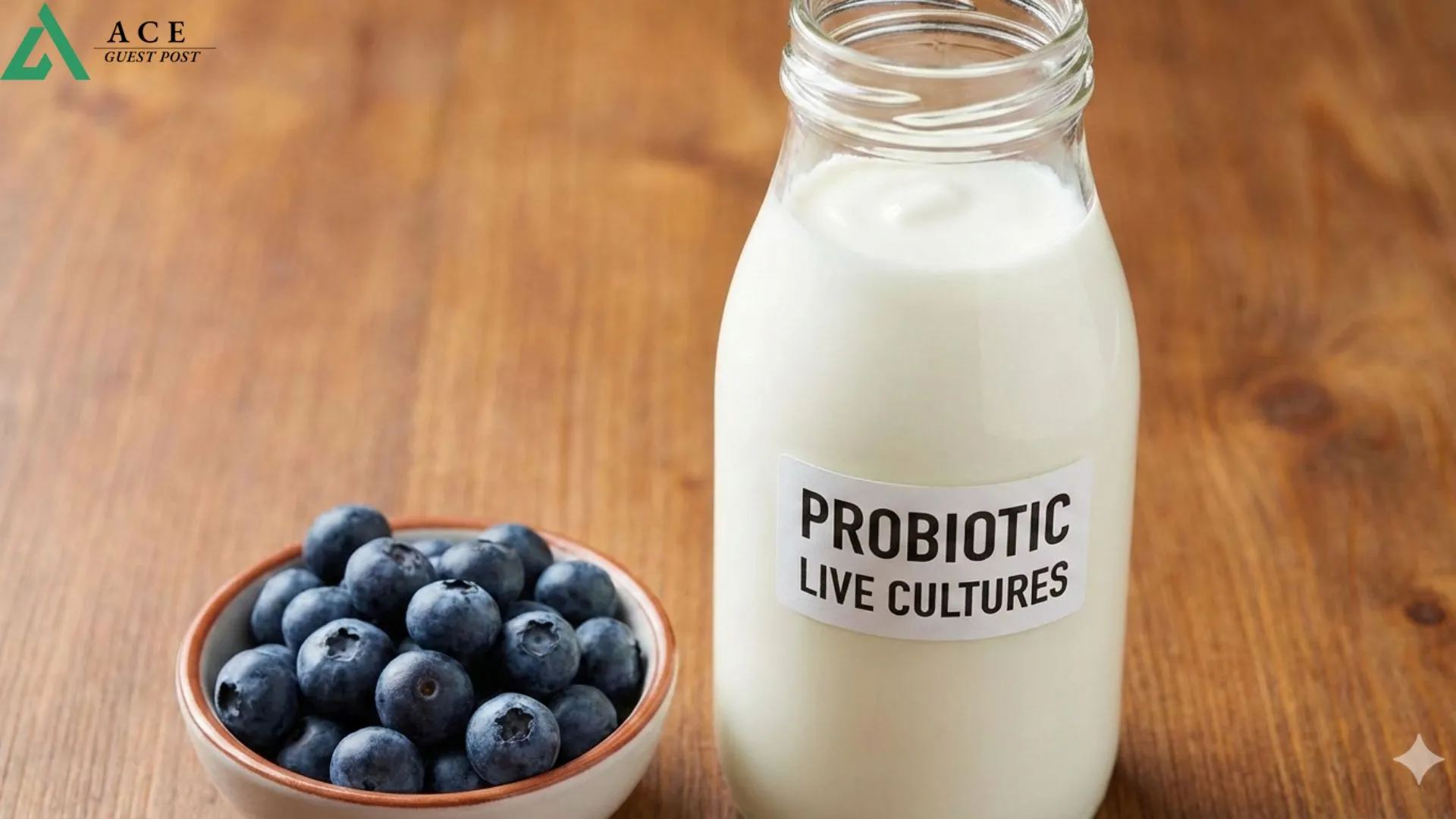
  • Postbiotic vs Probiotic: Which Is Better for You?

    Postbiotic vs Probiotic: Which Is Better for You?

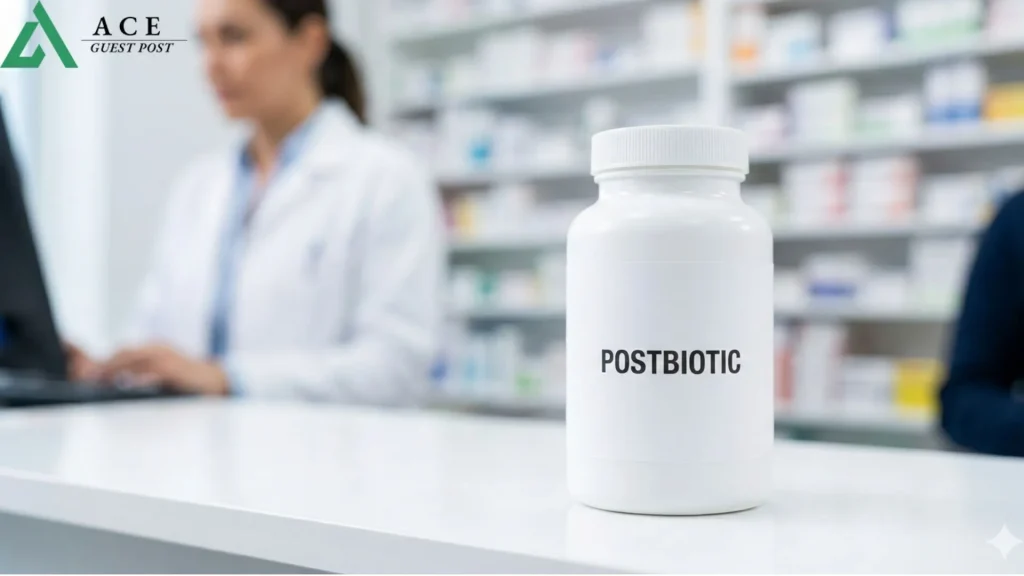
    Most people know about probiotics. You see them in yogurt and pills. Now, a new term is gaining steam: postbiotics. Both help your gut, but they work in different ways. Understanding these differences helps you make better health choices. This guide breaks down what they are and how they help your body.

    What Are Probiotics?

    Probiotics are living germs. They are “good” bacteria and yeast. Your gut needs these to stay healthy. Think of them as helpful guests in your belly. They help digest food and fight off bad germs. When you have enough good germs, your body feels balanced.

    You can find them in many places. Fermented foods are the best source. Yogurt and kefir are top choices. Sauerkraut and kimchi also pack a punch. Many people take them as daily pills too. These living things need a home to thrive. Your large intestine is where they do most of their work.

    How Probiotics Work

    Probiotics land in your gut and start to grow. They push out harmful bacteria. This keeps your immune system strong. They also help your body soak up vitamins. However, they are delicate. Heat and stomach acid can kill them before they help. They must stay alive to do their job.

    If the germs die before they reach the gut, they cannot help. This is why some pills need a fridge. Always check the label for storage rules. Keeping them cool keeps them alive.

    What Are Postbiotics?

    Postbiotics are not alive. They are the leftovers from bacteria. When probiotics eat fiber, they create waste. That waste is the postbiotic. It contains healthy bits like enzymes and organic acids. It also includes pieces of dead cell walls.

    Scientists found these “scraps” are very powerful. You do not need live germs to get the benefits. Your body uses these bits to heal the gut lining. They act as the final product of a healthy gut. They are the result of the hard work done by probiotics.

    The Rise of Postbiotics

    Why are people talking about them now? Postbiotics are stable. They do not die in heat. They have a long shelf life. This makes them easier to add to foods and drinks. You get the perks without worrying if the germs are still alive.

    They also work faster. Probiotics must grow first. Postbiotics are ready to go right away. This speed makes them very useful for quick relief.

    Postbiotic vs Probiotic: Key Differences

    The main difference is life. Probiotics are living things. Postbiotics are the healthy chemicals those living things leave behind.

    Probiotics need food to survive. They eat prebiotics, which are types of fiber. If they do not eat, they die. Postbiotics do not need food. They are already “done.” You can think of it like a garden. Probiotics are the plants. Postbiotics are the fruit the plants grow.

    Safety is another factor. Some people with weak immune systems avoid live bacteria. For them, postbiotics are a safer choice. They provide gut support without the risk of infection. This makes them a great tool for many patients.

    Main Benefits of Probiotics

    Probiotics offer many perks for your daily life. They are famous for a reason.

    • Better Digestion: They reduce gas and bloating. They help move food through your system.
    • Immune Support: They help your body recognize bad germs. Most of your immune system lives in your gut.
    • Mood Boost: Your gut and brain talk to each other. Healthy gut germs can lower stress and worry.
    • Skin Health: Some strains help clear up acne or rashes. A clean gut often leads to clear skin.

    Probiotics also help after you take medicine. Antibiotics kill all germs, even the good ones. Probiotics help you grow back your “good” army.

    Main Benefits of Postbiotics

    Postbiotics focus on the gut environment. They fix things from the inside out.

    • Gut Lining Repair: They strengthen the wall of your gut. This prevents “leaky gut” issues.
    • Reduced Swelling: They help lower inflammation in the body. This helps your joints and heart.
    • Blood Sugar Control: Certain types help your body process sugar better. This keeps your energy steady.
    • Fighting Germs: They can kill bad bacteria directly. They act like a shield for your cells.

    Postbiotics are also good for the brain. They can cross into the blood easily. From there, they help protect your nerves.

    Which One Do You Need?

    Most people benefit from both. They work as a team. Probiotics create the postbiotics your body craves. If you eat a high-fiber diet, your gut makes its own postbiotics.

    If you have a sensitive stomach, try postbiotics first. They are gentle. If you want to build a strong gut from scratch, start with probiotics. Pairing them with fiber-rich foods is the best strategy.

    Some people use them at different times. You might take probiotics daily. Then, you use postbiotics when you feel sick or stressed. This double approach covers all your bases.

    How to Get More Postbiotics Naturally

    You do not always need a pill for postbiotics. Your body makes them naturally. You just need to feed your gut bacteria the right stuff.

    Eat more fiber. Reach for beans, oats, and apples. These foods act as fuel. As your good bacteria eat, they produce postbiotics. You can also find them in some fermented foods. Miso and tempered soy products are great sources.

    Vinegar is another source. Apple cider vinegar contains some postbiotic bits. It has been used for years to help with health. Now we know why it works so well.

    Specific Strains to Watch For

    Not all germs are the same. Some probiotics are better for mood. Others help with weight. Look for names like Lactobacillus or Bifidobacterium. These are the most common and safe types.

    For postbiotics, look for “butyrate.” This is a major short-chain fatty acid. It is one of the best things for your gut wall. It feeds the cells that line your colon. Without it, your gut becomes weak.

    How to Choose the Best Supplement

    The market is full of options. Look for brands that list specific strains. For probiotics, check the CFU count. This tells you how many live germs are inside. A count of 5 billion to 10 billion is common.

    For postbiotics, look for clinical studies on the label. Ensure the product lists the specific metabolites it contains. Quality matters more than a high price tag. Check for third-party testing to ensure the product is pure.

    Avoid products with lots of sugar or fake colors. These can hurt your gut while you try to help it. Stick to clean brands with few extra items.

    Potential Side Effects

    Most people feel fine taking these. Some might feel slight gas at first. This is normal as your gut adjusts. It means the germs are working. Start with a small dose. Give your body a week to get used to the change.

    If pain persists, stop and talk to a doctor. Drink plenty of water when you start. Water helps the fiber and germs move smoothly. This lowers the chance of feeling bloated.

    Pregnant women should always ask a pro before starting new pills. The same goes for people on heavy meds. Safety comes first in any health plan.

    The Role of Prebiotics

    We cannot talk about the other two without prebiotics. Prebiotics are the food for probiotics. They are mostly fibers that humans cannot digest. But your gut germs love them.

    If you take a probiotic without food, it won’t work well. It is like putting a worker in a room with no tools. Always eat onions, garlic, or bananas. These provide the fuel needed to make postbiotics.

    The Future of Gut Health

    Research is moving fast. We are learning that the “waste” of bacteria is a gold mine. In the future, we may use postbiotics for specific diseases. They might help with weight loss or allergies.

    Some shops now sell “all-in-one” gut pills. These have prebiotics, probiotics, and postbiotics together. This is called a “synbiotic” approach. It covers the whole cycle of gut life in one go.

    For now, focus on the basics. Eat fermented foods. Get plenty of fiber. These habits keep your gut factory running. When your gut is happy, your whole body feels it. You will have more energy and better focus.

    Summary Checklist for Gut Health

    • Eat Fiber: Aim for 25 grams a day.
    • Add Fermented Foods: Have one serving of yogurt or kraut daily.
    • Stay Hydrated: Water helps gut germs stay active.
    • Manage Stress: High stress kills good bacteria.
    • Consider Supplements: Use them if your diet is not enough.

    Final Thoughts

    The postbiotic vs probiotic debate is not about picking a winner. It is about understanding how they work together. Probiotics are the workers. Postbiotics are the tools they use to fix your body. Both play a huge role in your health. Use probiotics to build your gut colony. Use postbiotics to maintain a strong gut wall. A mix of both leads to the best results. Start small and listen to your body. Your gut will thank you for the extra care.

  • How to Utilize Augmented Reality in Healthcare?

    How to Utilize Augmented Reality in Healthcare?

    Augmented reality in healthcare has the potential to benefit medical services. AR can enhance visualization, increase accuracy, and improve communication between medical professionals and patients.

    1. Medical Training and Education: AR can be used to create immersive and interactive training simulations for medical students, residents, and even experienced healthcare professionals. It allows them to practice procedures, surgeries, and medical interventions in a risk-free environment. AR can also provide real-time guidance during procedures, helping learners understand complex anatomical structures and medical equipment usage.

    2. Surgical Assistance:  Surgeons can benefit from AR during operations. By wearing AR glasses or using AR displays, surgeons can overlay digital information on the patient’s body, providing valuable data such as 3D images from preoperative scans, vital signs, or virtual guides for precise incisions. This can improve surgical accuracy, reduce complications, and enhance patient outcomes.

    3. Visualization of Medical Data: AR can assist in visualizing medical imaging data, such as MRI or CT scans, in three dimensions. Doctors can interact with the data more effectively, gaining deeper insights into patient conditions and planning personalized treatment strategies.

    4. Patient Education: AR can help patients understand their medical conditions and treatment plans more easily. By visualizing their anatomy and explaining procedures in an interactive way, patients can be better informed and actively participate in their healthcare decisions.

    5. Rehabilitation and Physical Therapy: AR can be utilized to develop engaging rehabilitation and physical therapy exercises. Patients can follow virtual guides and track their progress, making therapy more enjoyable and motivating. It also allows therapists to monitor patient movements more accurately.

    6. Remote Consultations and Telemedicine: Augmented reality can facilitate remote consultations between specialists and patients. By sharing real-time AR visuals, doctors can discuss medical conditions and treatment options with patients located in distant areas, improving access to specialized care.

    7. Mental Health Applications: AR can be applied to address mental health issues by creating immersive environments for exposure therapy or relaxation exercises. Additionally, it can offer stress-reducing experiences through interactive games or mindfulness applications.

    8. Assisting the Visually Impaired: AR can assist visually impaired individuals by providing real-time audio cues or haptic feedback to navigate their surroundings more effectively and independently.

    9. Medical Device Training and Maintenance: AR can simplify the training process for using complex medical equipment and aid in the maintenance of such devices by providing step-by-step visual guides and overlays.

    10. Healthcare Facility Navigation: AR can help patients and visitors navigate large healthcare facilities by providing AR-based wayfinding tools and directions.

    11. Infection Control and Training: Augmented reality can be utilized in infection control training for healthcare professionals. It can simulate scenarios where adherence to proper hygiene practices is critical, allowing medical staff to practice correct protocols without the risk of actual contamination.

    12. Remote Surgery and Expert Consultations: AR can enable remote surgery and expert consultations by allowing experienced surgeons to guide less experienced colleagues through procedures. This can be particularly valuable in regions with limited access to specialized medical expertise.

    13. Medical Research and Data Visualization: Researchers can leverage AR to visualize complex medical data and models, aiding in the analysis of large datasets and facilitating a deeper understanding of intricate biological processes.

    14. Drug Development and Testing: AR can play a role in drug development by providing visualizations of molecular structures and interactions, assisting researchers in designing and testing new medications.

    15. Virtual Health Records and Patient Monitoring: Augmented reality can be used to display electronic health records (EHRs) and patient vital signs in real-time during patient encounters, reducing the need for physicians to divert their attention to computers during examinations.

    16. Healthcare Data Visualization and Analytics: AR can help healthcare administrators and researchers visualize large sets of healthcare data, facilitating decision-making and identifying trends and patterns.

    17. Enhancing Medical Imaging Interpretation: Radiologists and other medical professionals can benefit from AR overlays on medical images, highlighting areas of concern and providing additional diagnostic information.

    18. Chronic Disease Management: AR can aid in managing chronic diseases by offering patients visual reminders for medication schedules, exercise routines, and lifestyle modifications.

    19. Rehabilitation Gaming: Incorporating AR into rehabilitation games can make therapy more engaging for patients, encouraging them to be consistent in their exercises and speeding up the recovery process.

    20. Occupational Safety and Training: AR can be employed to train healthcare workers in proper lifting techniques, ergonomics, and safety protocols to prevent workplace injuries.

    21. Prehospital Emergency Care: Emergency medical services (EMS) personnel can use AR to receive real-time instructions and visual cues while responding to emergencies. AR can also help them identify potential hazards at the scene and provide accurate patient information to hospitals.

    22. Nursing Training and Education: AR can enhance nursing education by allowing students to practice various nursing procedures, such as wound care and medication administration, in a simulated environment. This helps build their confidence and competence before working with real patients.

    23. Augmented Reality in Mental Health Treatment: AR can complement traditional therapies by providing interactive tools and activities for patients with mental health conditions, aiding in symptom management and emotional regulation.

    24. Medical Team Communication: AR-based communication tools can facilitate seamless collaboration and communication among medical teams during critical situations and patient handovers.

    25. Disaster Response and Training: AR simulations can prepare healthcare providers for disaster response scenarios, offering realistic training experiences and improving their readiness to handle emergencies.

    26. Patient Support Groups: AR can create virtual patient support groups, enabling individuals with similar medical conditions to connect, share experiences, and offer mutual support.

    As AR technology continues to evolve, its potential to transform healthcare is vast. Embracing augmented reality responsibly and ethically can lead to significant improvements in patient care, medical education, and overall healthcare efficiency. However, it’s essential to consider the specific needs of each healthcare setting and ensure proper training and support for healthcare professionals using AR applications to guarantee safe and effective utilization.

  • Top 10 Mobile Applications for Diabetics Monitoring

    Top 10 Mobile Applications for Diabetics Monitoring

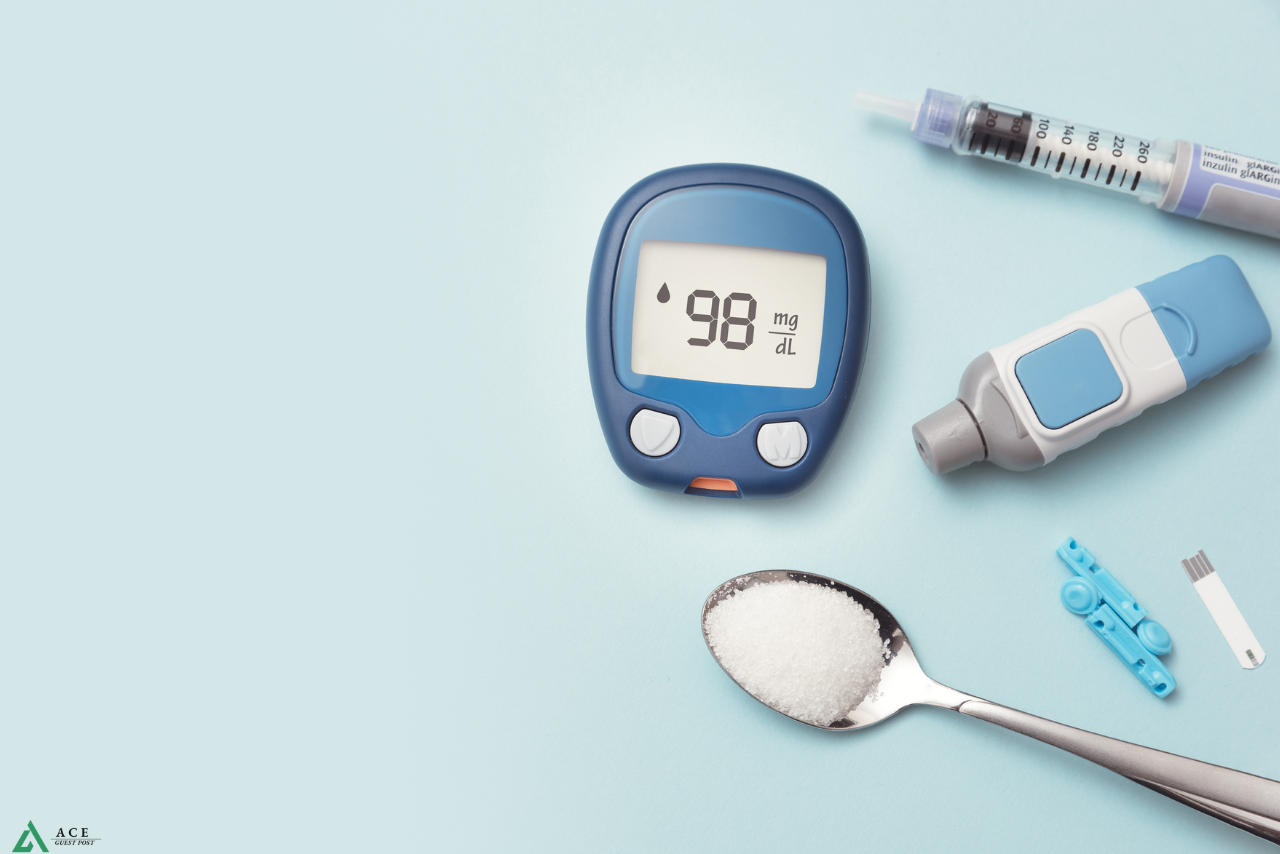
    Lots of people are dealing with diabetes and the number keeps increasing due to our poor lifestyle. You need to keep a good track of your glucose level to manage this condition. Visiting a doctor regularly is not easy. But you can find some good applications that help you to keep tapping on various things. These apps can help you to monitor your exercises and manage your diet. 

    How to find the best mobile applications for diabetes?

    You can find numerous apps on your device. When you search for a diabetes monitor application, you can see lots of different apps. People often install the app that is appearing on the top. But not all applications provide the same features. Start looking for an app that provides all the necessary features like blood glucose tracking.

    How to find the best mobile applications for diabetes?

    Look for an application that has more health information. Now check for regular updates. If the app crashes a lot, it won’t help. You should look for an application that can have regular updates and work smoothly. 

    Tech people can use any kind of application without any problem. But other people may have issues with the application. You should check for the application which is easy to use and you can monitor it with your smartwatch or other gadgets easily. 

    Best mobile applications for diabetes

    1. Medical ID

    Rating: 4.7

    Pricing: Free

    If you often face emergencies with the increased blood sugar level then this is the best application for you. Medical ID is not a type of standard diabetes application but offers you various features. You have to create a medical ID in this application that contains all information that can be used in an emergency. The contact number of the family member, allergies, blood type, and other important data. This application is best for all types of medical emergencies. Whether you have any illness or not, you should have a Medical ID application on your device.

    2. Glucose Buddy

    Rating: 4.8

    Pricing: Freemium

    The glucose Buddy application is available for both Android and iOS devices. This application is like a complete diabetes tracker. The free version of this application has some limitations. You can’t use the A1C calculator and some other features on the free plan. But if you can’t spend money on any application then this free tool is good. You get a blood glucose level log and carbs intake. In the free app, you can also check medication doses and exercise. You can also print your reports. If you want more features then you can go for the paid version.

    3. Fooducate

    Rating: 4.4

    Pricing: Freemium

    Managing diabetes means you have to take care of everything. Look what food is good for your health. Fooducate is one of the top mobile applications for diabetes that can help to find the best food for your health. For diabetes, not all food items are good. This application has information about more than 300K food items. You can easily scan their barcodes and check whether the food is good for your condition or not. If the app doesn’t have any details then you will find alternative suggestions. 

    4. Diabetes: M

    Rating: 4.3

    Pricing: Freemium

    Diabetes: M provides you with all features related to your blood sugar level. You can keep a log on this app. It has features like test time reminders and a tracking system Diabetes: M provides nutritional logs and fitness apps. If you add nutritional information, this app can provide you with an insulin bolus calculator. It provides you with information in charts and graphs for easy understanding. 

    5. Bezzy T2D

    Rating: 4.4

    Price: Free

    This application is like a review forum. People discuss and share their experiences about diabetes in the online forum. You can read opinions about what works better for your conditions. You can use Bezzy T2D for other things like daily life, diet, etc. It also provides different chat spaces for mental health. 

    6. Beat Diabetes

    Rating: 4.7

    Price: Freemium

    Beat Diabetes is a user-friendly application that provides you with all essential information. If you recently got diabetes then you can use this app to prevent any complications. It provides all essential diabetes information. Follow the instructions and you can live a happy life.

    7. Diabetes Connect

    Rating: 4.4

    Pricing: Free

    Diabetes Connect application is a tracker application. It keeps track of your blood sugar. Diabetes Connect also provides BP, heart rate, and medication tracking records. The user can keep track of everything with the phone. You can take the printouts of the reports and talk to the doctor.

    8. One Touch Reveal

    Rating: 4.1

    Pricing: Free

    One Touch Reveal is one of the top mobile applications for diabetes. It searches all highlights trends with your blood glucose reading. If the sugar level fluctuates often, it will provide you with push notifications and also send an alert. It has a color-coded interface for easy reading.

    9. Sugar Sense

    Rating: 4

    Pricing: Free

    The Sugar Sense application provides an intuitive interface and full control of your health. You can keep a log of your carbs intake and glucose level. It is a very user-friendly app and good for managing type 2 diabetes.

    10. One Drop

    Rating: 3.7

    Pricing: Freemium

    One Drop is a data-tracking application that keeps a log of blood glucose. Food, dedication, etc. It also has a Bluetooth-enabled glucose meter. You can also order test strips directly from the application. To access more features, you can get the paid version of One Drop.

    Summary

    Health applications are like PAs that remind you of essential things about your condition. You should look for applications that provide all essential needs to maintain your blood sugar level. Install the app on your device and keep logs of every necessary thing. 

  • CBD Oil: A Natural Way to Boost Your Health

    CBD Oil: A Natural Way to Boost Your Health

    Introduction

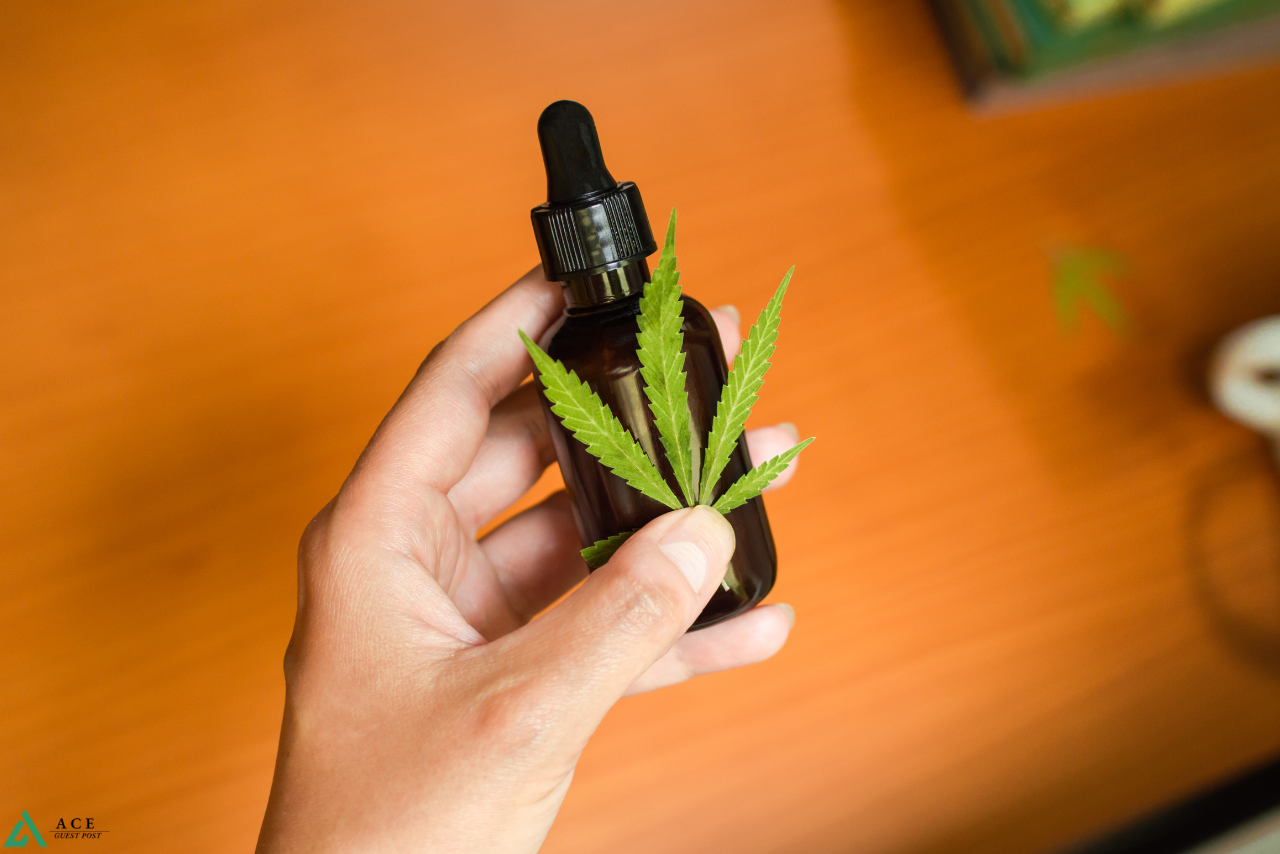
    CBD or cannabidiol is an ingredient found in cannabis and is mainly used to produce oil. This oil can be extracted from hemp. Various other CBD products like gummies are available and all these products work differently in the human body. This oil is good for your body and provides various health merits. You can use CBD oil for managing anxiety and treating pain. Many people also use CBD oil to treat certain disorders. People often question whether CBD is safe to use as it is the sibling of THC which can make you high. But CBD is different, it doesn’t have any psychoactive compounds. It is believed that sativa is the first used medicinal plant. 

    How does CBD oil work?

    CBD is a type of natural compound found in cannabis. It contains 21 carbon atoms, 30 hydrogens, and 2 oxygen atoms. You can find the same molecular structure in THC also. However, they have different arrangements that cause different effects on the body. When you use CBD oil, it starts interacting with the receptors on CNS. The central nervous system starts getting a calming effect due to CBD. Due to this, CBD is majorly used in reducing anxiety symptoms. It is also very helpful in pain management. 

    Benefits of using CBD oil

    Benefits of using CBD oil

    CBD manages anxiety symptoms

    Anxiety is a type of mental condition that can’t be treated with medicines. However, certain medicines are available to reduce the symptoms of anxiety. Doctors suggest antidepressants etc to reduce the symptoms but using these medicines for a long time can be more harmful. CBD is different, it is a type of natural medication. People often use CBD oil to ease the brain and manage the symptom. It is also considerable for PTSD patients. 

    Acts as a pain reliever

    CBD oil can help treat people who are dealing with chronic pain. Your body’s endocannabinoid system manages the pain. CBD interacts with the system and reduces pain. It also helps in reducing inflammation. Doctors often recommend CBD oil to manage fibromyalgia pain. CBD can also help in dealing with some cancer-related symptoms. During cancer treatment, the person can face side effects like vomiting and nausea. CBD can help in managing these side effects.

    CBD has good health benefits

    Any pressure or illness to the heart can be very dangerous. High BP can become a major cause of illness such as heart attack. It can also cause metabolic syndrome. CBD helps reduce these heart-related conditions. When they take CBD, it widens the blood vessels and the pressure reduces. CBD not only improves your heart health but can also manage artery function. 

    CBD oil for your skin

    You may not know but CBD oil is also good for your skin. CBD oil nourishes the skin and also helps in treating skin conditions. Now manufacturers are adding CBD with other oil to create CBD oil for skincare. It has anti-inflammatory properties. This oil can be beneficial in treating conditions like eczema. Many acne treatments consist of CBD oil as it helps in reducing sebum production. It also prevents any kind of skin infection. CBD oil may also reduce acne scars. It has anti-inflammatory properties that can reduce dryness and itching. Today, CBD oil is majorly used in anti-aging products. The antioxidant properties can help in preventing fine lines and skin aging. 

    CBD Oil Side Effects

    CBD oil helps treat various conditions. But like other medicines, people can face some side effects from using CBD oil. Some people can get side effects like diarrhea after using this oil. When the body is not healthy and you can take CBD oil then you may face a change in weight and appetite. Some people also face other side effects such as:

    • Sedation
    • Pneumonia
    • Sedation 
    • Liver injury, etc.

    CBD oil can manage lots of health conditions. But if you are facing any side effects, visit the doctor. 

    CBD oil massage benefits

    CBD oil is widely used for pain relief massage. It gives a relaxing effect after a massage. CBD oil massage is different as it provides all merits of regular massage along with the health benefits of CBD. Most people do CBD oil massage to relieve tension. The anti-inflammation effect is good for relieving joint and muscle pain. CBD oil massage is beneficial to manage chronic pain, arthritis, etc.

    Is CBD Oil Really Safe and Healthy?

    Using CBD oil is safe as it is majorly used in various pain relief and other medications. However, patients may witness side effects after using CBD oil. Some people may see a change in their appetite. CBD products like gummies etc can interact with other medicines and result in blood thinning. But using CBD oil for massage is fully safe. 

    Conclusion 

    CBD oil is natural and one of the best pain relievers. People who restrict their physical movement due to chronic pain get good help with CBD. Applying CBD oil to joints manages the pain. It helps people, especially elderly people, to manage their daily physical activities. 

  • 10 Main differences between CBD and THC gummies

    10 Main differences between CBD and THC gummies

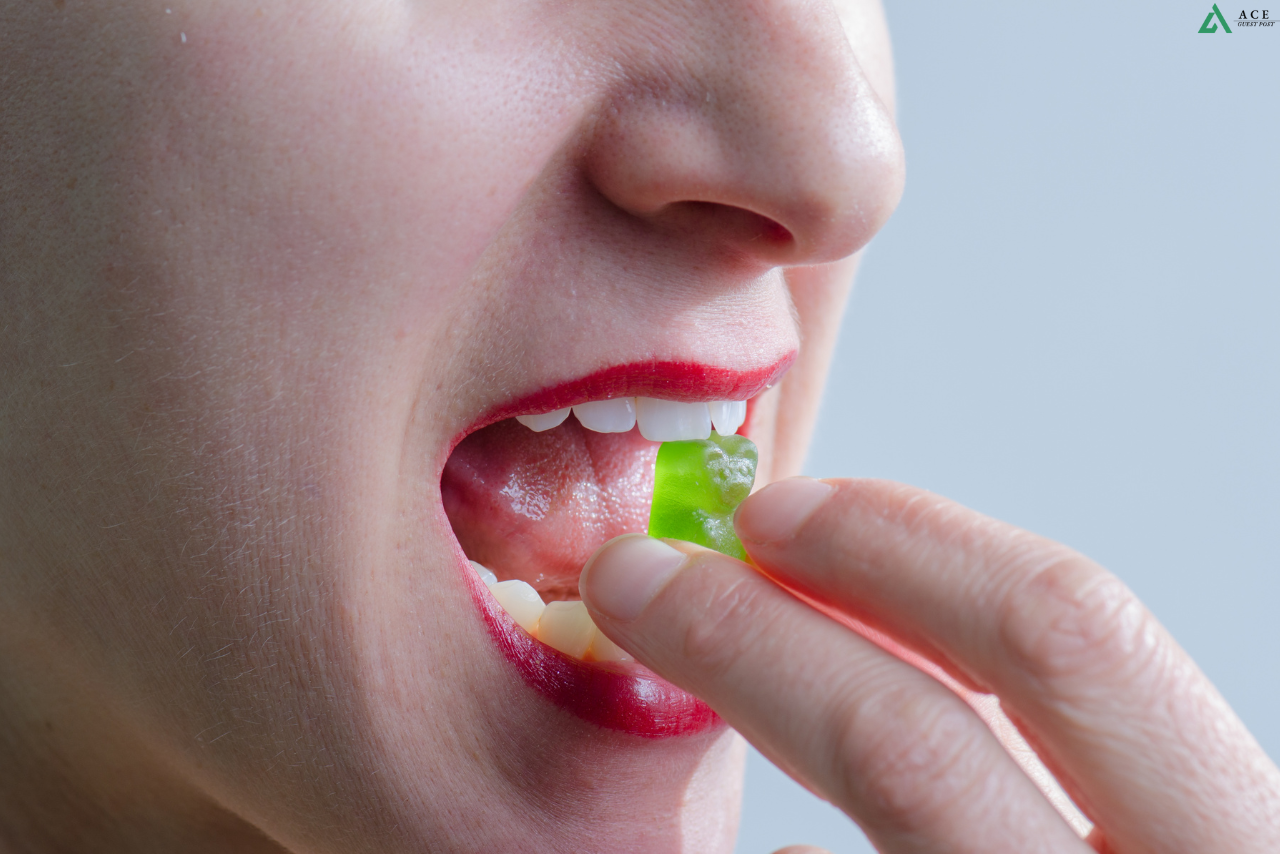
    CBD and THC compounds are found in cannabis plants. But these compounds have very different characteristics and body interaction. People often have misconceptions about CBD and THC gummies. Indeed they come from the same plant but are still very different. CBD gummies are now widely used as they are good for your health. But THC is different. 

    CBD and THC Gummies Differences

    1. CBD and THC

    CBD is extracted from cannabis or hemp which is found in Cannabis sativa. Not all hemp is legal. It should be 0.3% THC or less to be legal. You can easily find CBD in the form of gummies and gels. People also take CBD as an oil and supplement. Taking CBD is safe as it doesn’t cause a high sensation. Meanwhile, THC is different. When you take THC, you will feel high. People often consume THC illegally in the form of smoking. You can also find THC gummies or even oil and capsules. 

    2. Chemical structure

    If we see the molecular structure of CBD and THC then it is the same. Meanwhile, you can find the difference in the arrangement. Due to this different arrangement, they cause different effects on the body. They both act chemically similarly to the body’s endocannabinoids. 

    3. CBD or THC gummies, which are more powerful?

    CBD or THC gummies, which are more powerful

    Although CBD and THC have similar chemical structures but have distinct psychoactive effects. CBD gummies have some psychoactive elements but are very different from THC. When you take CBD gummies, you won’t feel high. But THC is very different; it binds the CB1 receptor of your brain and makes you high. THC is more powerful than CBD; you will feel high if you inhale THC instead of ingestion.

    4. Legality

    You can find different laws about cannabis in different countries. In some countries, you can find a full ban on consuming cannabis. Meanwhile, in some places, you can find partial use of cannabis for medicinal purposes. In the US, hemp is now not under controlled substances. CBD is legal in many countries meanwhile THC cannabis is banned. You can find cannabis-related gummies or medication only when recommended by licensed physicians. 

    5. Medical benefits

    The medicinal benefits of CBD and THC gummies are almost similar. You can find relief with both. THC is more powerful and may provide a better effect than CBD in some cases. However, doctors mainly recommend CBD because it is safer. Consuming THC may cause lots of harmful side effects.

    FDA has approved a medication containing CBD to treat epilepsy. You can also find other options like CBD gummies and oil to manage various conditions. Two THC medications to treat specific conditions. It is mainly used to reduce pain. CBD is also used to reduce pain but is not very powerful. However, THC is very useful to treat severe pain.

    6.  Drug testing

    Drug testing

    CBD and THC are stored in your body’s fat. In drug testing, they can show up every after certain days or weeks. CBD may not appear in every type of drug test. There are also some CBD-sensitive drug tests. Standard drug tests usually look for THC. Hemp consumption can also cause THC positive in drug tests even if you haven’t used it. 

    7. Potential benefits 

    If we talk about benefits, both CBD and THC gummies can be helpful. Doctors may recommend CBD to get better sleep and manage pain. CBD is also good for managing anxiety symptoms. When you are stressed, eating CBD gummies provide good help. THC is mainly used to treat severe pain like cancer-related pain. Doctors do not recommend THC if the condition is not very severe. If we see health benefits, CBD is better due to fewer side effects.

    8. Ingestion methods

    CBD is mainly available as gummies. You can eat them and manage the condition. CBD can also be used as an oil, medicine, or cream. Meanwhile, THC is mainly smoked or inhaled. You can also find THC gummies but it is mainly inhaled using a vapor inhaler or vape pen. 

    9. CBD and THC for teens

    Any medicine can cause some side effects to teens and kids. Their physical and mental health is still in the developing phase. Doctors recommend CBD to teens for managing pain and other conditions. They can take CBD gummies and manage anxiety and stress symptoms. But THC is not recommended to teens as their brain is still developing. They can experience psychiatric effects after consuming THC. 

    10. Possible side effects of CBD and THC gummies

    CBD is usually safe to intake. Doctors recommend CBD as a medication as it doesn’t have harmful side effects. It won’t cause any drug-abuse issues or other harm. You may face some side effects that are similar to other medicines like impact on the liver etc. But THC can show lots of temporary side effects. You can get red eyes and a dry mouth. Some people also face temporary memory loss and problems in coordination. 

  • How Can CBD Help Improve Your Health?

    How Can CBD Help Improve Your Health?

    Introduction

    CBD or cannabidiol has numerous health benefits. It is a substance found in cannabis also known as the hemp plant. You can find CBD as oil, vaporizers, food items, gummies, etc. This compound is beneficial in treating chronic pain. Many researches are ongoing to find more health benefits of CBD.

    CBD is helpful for pain and inflammation

    Inflammation is a natural response that fights problems in the body. But sometimes, other conditions cause inflammation that start killing the healthy tissues of the body. The body’s inflammation can be acute or chronic. You can get symptoms like pain and redness. Many people also face bad mood or sleep issues due to inflammation. But CBD maintains the physiological function of the body that can reduce inflammation and manage pain. 

    When you take CBD, it starts targeting the endocannabinoid receptor. This manages the pain sensation and the person starts feeling better. Doctors recommend CBD oil to manage pain in fibromyalgia. It is also used in treating chronic non-cancer pain. In research of 2020, CBD is provided to patients with symptomatic peripheral neuropathy. The results were better as the patients found a reduction in sharp pains and cold sensations.

    CBD for skincare

    CBD for skincare

    CBD also acts as an antioxidant that makes it perfect for your skin. It carries antimicrobial qualities that can replace various other skin care treatments. CBD is excellent in maintaining oil production. When the skin produces too much sebum, the skin seems oily and becomes prone to pimples. With CBD, skin oil production reduces which can help in preventing acne issues. It can reduce pain and swelling. Not only this, CBD oil or creams also hydrates the skin and provide good moisture. 

    CBD can manage your anxiety and depression

    Anxiety can cause various problems in social and personal growth. If you can’t manage the symptoms, your work and social environment may affect you a lot. CBD can be beneficial in reducing anxiety symptoms. In a 2017 study, people with anxiety feel better after taking CBD. They feel better while talking to others or while delivering speeches. CBD provides similar effects as antidepressant medicines. But antidepressants can have lots of side effects. CBD is a good treatment for managing anxiety and depression with a natural approach. CBD medicines also reduce PTSD symptoms and help in living life in a better way. 

    CBD for sound sleep

    Your doctor may suggest CBD to get better sleep. Chronic sleep problems can affect your body a lot. When you sleep for fewer hours, your body and mind can’t get enough rest. Due to this, the body starts performing poorly. Your mind needs good rest to perform well the next day. If you don’t sleep properly one night, you feel down for the whole day. CBD helps in getting good sleep that can provide good rest to your body and mind. Doctors often suggest CBD to people with insomnia. Taking CBD can help in getting more and more sound sleep. This medication is more beneficial to people who face sleeping issues due to flexible work schedules like nurses.

    CBD for your heart

    Many researches show that CBD may be good for your heart. Research shows that CBD can help in controlling high blood pressure. It affects the heart muscle to widen the blood vessels to manage the pressure. CBD can keep your heart healthy and prevent vessel damage. It reduces the stress in your heart and protects you from certain heart conditions.

    CBD to treat opioid addiction

    A person who takes opioids for a long time and is now trying to stop can face withdrawal symptoms. Some people may face the symptoms for months. Using CBD to treat opioid addiction can be very helpful. In 2021 research, CBD helped in reducing anxiety and insomnia in opioid-addicted patients. CBD reduces heroin cue-induced craving and manages the heart rate.

    CBD alleviates ALS symptoms

    ALS can lead to nerve cells deteriorate and conditions may get worse with time. Amyotrophic lateral sclerosis condition may occur due to heredity. Some research shows that CBD can help in managing ALS symptoms. In a 2019 research, patients with ALS received CBD medication at different levels. The medicine showed a positive result in alleviating the symptoms. 

    CBD can manage diabetes complications

    A high glucose level means the risk of developing diabetes. CBD can manage your high glucose levels. You should check your glucose level regularly. If the level is above the normal rate then you can take CBD. It affects the insulin level and inflammation compilation. Using CBD in diabetes can manage its symptoms. CBD has various health benefits but requires more research and reports for better aid. It not only treats your physical conditions but also improves your mental health. CBD can enhance your health and lifestyle naturally. 

  • The Ultimate Guide to THC: What You Need to Know

    The Ultimate Guide to THC: What You Need to Know

    What is THCA?

    THCA, short for tetrahydrocannabinolic acid, is a non-intoxicating cannabinoid found in the raw form of the cannabis plant. It is abundant in freshly harvested cannabis flowers and is the precursor to the well-known compound THC, or tetrahydrocannabinol. While THCA doesn’t produce the psychoactive effects commonly associated with THC, it offers a range of potential therapeutic benefits that have piqued the interest of researchers and medical professionals.

    Types of THCA

    1. Raw THCA

    Raw THCA refers to the unheated and non-decarboxylated form of the compound. It is typically found in fresh cannabis flowers and leaves. When cannabis is harvested, it contains mostly THCA, with only trace amounts of THC. Raw THCA is highly sought after for its potential therapeutic properties, including anti-inflammatory, neuroprotective, and antiemetic effects.

    1. THCA Crystalline

    THCA crystalline, also known as THCA diamonds, is a highly purified form of THCA that appears in a crystalized structure. Through a meticulous extraction process, the compound is isolated and refined to its purest form, resulting in a product with high potency and exceptional purity. THCA crystalline is often used for medicinal purposes due to its concentrated nature and potential therapeutic benefits.

    1. THCA Tinctures

    THCA tinctures are liquid extracts that contain a concentrated amount of THCA. These tinctures are typically consumed sublingually, allowing for fast absorption into the bloodstream. THCA tinctures offer a convenient and discreet way to incorporate the compound into daily routines, providing potential relief for a variety of conditions, including pain, inflammation, and anxiety.

    Advantages of THCA

    Even though THCA doesn’t alone have any psychoactive effects, there are thought to be a number of possible medicinal advantages. Several of the cited advantages include:

    1. Anti-inflammatory qualities: THCA has anti-inflammatory qualities, which may help treat illnesses like arthritis by lowering bodily inflammation.

    2. Neuroprotective effects: According to research, THCA may have neuroprotective qualities that might aid in preventing harm to the brain and nervous system.

    3. Anti-emetic properties: THCA could be helpful for those undergoing chemotherapy or dealing with other disorders that cause severe nausea since it may help reduce nausea and vomiting.

    4. Antioxidant qualities: THCA is known to have antioxidant qualities that may help shield cells from oxidative stress-related cell damage.

    Use of THCA

    Since THCA is the non-psychoactive version of THC, it may be found in raw or fresh cannabis plants. Juicing or mixing fresh cannabis leaves or buds is the standard method of consumption. Decarboxylation of THCA into THC, which happens when heat is applied, such when smoking or vaping, produces euphoric effects.

    Medical advantages THCA

     THCA research is still in its early phases, but it already shows promise for a number of medical uses. Reducing inflammation and discomfort, controlling the signs and symptoms of illnesses including epilepsy, multiple sclerosis, and arthritis, and promoting general health are just a few possible medicinal advantages of THCA. To completely comprehend its effectiveness and prospective applications, additional study is necessary.

    It’s important to remember that various countries have varied regulations governing cannabis and its components. It is advised to speak with a healthcare provider and abide by local laws and regulations before utilizing THCA or any cannabis-related product for medicinal reasons.

    Consumption Methods

    As previously stated, the majority of THCA is present in unprocessed cannabis plants. In addition to juicing or mixing fresh cannabis leaves or buds, you may also apply tinctures or topicals to your skin to ingest THCA. Some producers sell THCA-rich goods intended for medicinal use, like as oils or pills.

    Synergistic Effects

    THCA interacts with the terpenes, cannabinoids, and other substances found in cannabis. The entourage effect, or interaction between these compounds, shows that combining them may increase the THCA’s overall therapeutic value.

    Studying and Research

    Although THCA research is still in its early stages, various studies have looked at its possible advantages. For instance, preclinical research has shown that it has anti-inflammatory and anti-emetic properties.

    It is essential to keep in mind, however, that additional in-depth clinical studies are required to validate these findings and determine the appropriate dosage and route of administration.

    Legality: Depending on the region, THCA may or may not be legal. THCA could be simpler to come by in areas where cannabis is allowed for either medicinal or recreational use. However, it’s important to get acquainted with the local laws and rules that apply specifically to cannabis and its components.

    A healthcare professional consultation: It is advised to speak with a skilled medical practitioner or cannabis expert if you’re thinking about utilizing THCA for therapeutic reasons. They may provide advice on dosage and possible drug interactions, as well as support you in making health-related choices.

    As more data and findings on THCA and cannabis in general come to light, it’s critical to be informed about the most recent studies and medical recommendations in this area.

    Potential Medical Advantages of THCA Although THCA research is still in its infancy, it has already shown promise for a number of medicinal advantages. Some topics of interest are:

    1. Pain management: THCA may have analgesic qualities that might provide pain relief from ailments including neuropathy, arthritis, and chronic pain.

    2. Anticonvulsant Effects: Early research indicates that THCA may have anticonvulsant characteristics, suggesting its usefulness in the treatment of epilepsy and seizures.

    3. Anti-Cancer Effects: According to several studies, THCA may have anti-cancer effects. It was shown to inhibit the growth of prostate cancer cells in preclinical trials, but further research is needed to fully understand it’s potential.

    4. Support for mental health: THCA may have neuroprotective properties that may make it useful in treating neurodegenerative diseases like Alzheimer’s disease and promoting general brain health.

    While THCA exhibits promise, further investigation, including clinical studies, is necessary to completely comprehend its effectiveness, ideal dose, and possible adverse effects.

    Individual Responses and Variations: It’s important to note that everyone responds to THCA differently. How THCA interacts with the body may depend on a variety of variables, including metabolism, personal biochemistry, and the strain of cannabis used. It is advised to start with modest dosages and closely tracks your reaction.

    Legitimate Concerns: Depending on your jurisdiction, THCA may have a different legal status. The use of medicinal cannabis products containing THCA may be legal in certain areas but illegal in others. Before contemplating its usage, familiarize yourself with the regulations in your region.

    Our knowledge of THCA and its potential advantages will probably grow as study progresses. Making choices about your health and wellbeing should always be based on trustworthy information, expert medical advice, and consideration of all available options.

    Although THCA is often accepted well, it is important to be aware of any possible adverse effects. Dry mouth, red eyes, dizziness, and brief cognitive impairment are all often reported adverse effects of cannabis usage, including THCA. Although people may react differently, these effects are often minor and short-lived.

    Drug Testing: It’s vital to keep in mind that eating goods high in THCA may cause a THC drug test to come back positive. Instead of distinguishing between THCA and THC, standard drug tests often identify THC metabolites. Before consuming THCA-rich products, it is recommended to think about the possible repercussions if you are exposed to drug testing.

    Responsible and Safe Use: It’s crucial to utilize responsibly if you decide to use THCA or any other cannabis-related goods. If you’ve never used cannabis before, start with modest dosages and gradually increase as required. Keep in mind how potent the product you’re using is and adhere to the manufacturer’s suggested instructions. Additionally, it is not a good idea to drive or operate heavy equipment when under the influence of THCA or THC.

    Norms and quality assurance: Regulations and quality control procedures are being introduced as the cannabis sector develops to guarantee the uniformity and safety of the product. When looking for THCA-rich items, choose reliable vendors that follow these rules and carry out independent testing to verify the potency and purity of their goods.

    Medical Supervision: It is advised to speak with a healthcare provider with knowledge of cannabis treatments if you are contemplating using THCA for a particular medical condition. They may evaluate your medical background, provide tailored advice, keep track of your advancement, and make sure that THCA is in line with your complete treatment strategy.

    Disclaimer

    Remember that the material presented here is just for educational reasons, and that before using THCA or any other cannabis-related substance, you should always seek the advice of a physician and comply with all applicable laws and regulations in your country.

  • Superfoods for a Healthy Heart: 30 of Them

    Superfoods for a Healthy Heart: 30 of Them

    For one to live a long and healthy life, maintaining a healthy heart is essential. A nutritious, well-balanced diet may greatly contribute to the health of your heart. Your risk of heart disease and other health issues can be lowered by eating the right foods.

    We’ve gathered a list of 30 foods that are heart-healthy in this post. In addition to being tasty, these foods are also nutrient-rich and may help you have better heart health.

    30 Healthy Heart Foods

    Berries to Promote Heart Health

    Berries

    Berries are a great option for a healthy heart since they are full of antioxidants, vitamins, and fiber. Strawberries, blueberries, raspberries, and blackberries are a few berries that are excellent for your heart. These berries may help decrease blood pressure, enhance blood sugar regulation, and lessen bodily inflammation.

    Healthy Heart: Fatty Fish

    Fatty Fish

    Omega-3 fatty acids, which are abundant in fatty fish like salmon, mackerel, and sardines, may help reduce your risk of heart disease. Triglyceride levels may be lowered, arrhythmia risk can be decreased, and inflammation can be reduced using omega-3 fatty acids.

    Whole Grain Foods for Heart Health

    Whole Grain

    Whole grains with a high fiber content, such brown rice, quinoa, and oats, may help reduce your chance of developing heart disease. Fiber helps enhance digestion and lower cholesterol levels. Additionally a good source of vitamins and minerals, whole grains can help enhance general health.

    Healthy Heart: Leafy Greens

    Leafy greens like spinach, kale, and collard greens are a great option for a healthy heart since they are high in vitamins, minerals, and antioxidants. These vegetables may enhance vascular health, lessen inflammation, and lower blood pressure.

    A Heart-Healthy Diet of Nuts

    Nuts

    Almonds, walnuts, and pistachios are just a few of the nuts that are a great source of fiber, protein, and heart-healthy fats. Nuts may help decrease inflammation, improve vascular function, and lower cholesterol.

    Legumes to Promote Heart Health

    Because they are high in protein, fiber, and minerals, legumes like lentils, chickpeas, and beans make a great choice for a heart-healthy diet. Legumes may assist improve blood sugar regulation, decrease inflammation, and cut cholesterol levels.

    Avocados Promote Heart Health

    Avocados are a great option for a healthy heart since they are full of heart-healthy fats, fiber, and potassium. Avocados include monounsaturated and polyunsaturated fats that may aid in lowering cholesterol, reducing inflammation, and enhancing vascular function.

    Tomatoes to Promote Heart Health

    Tomatoes

    Lycopene, a potent antioxidant found in abundance in tomatoes, may aid to decrease inflammation and cut the risk of heart disease. Additionally, tomatoes have a lot of potassium, which can lower blood pressure.

    Broccoli to Promote Heart Health

    Broccoli is a fantastic food option for a healthy heart since it is high in fiber, vitamins, and minerals. Broccoli may help decrease blood pressure, cholesterol levels, and inflammation in the body.

    Dark Chocolate to Maintain Heart Health

    Flavonoids, which are antioxidants that may enhance blood flow and reduce blood pressure, are found in dark chocolate. Dark chocolate has a lot of calories and sugar, therefore it’s best to eat it in moderation.

    Garlic to Promote Heart Health

    Allicin, a substance found in garlic, may help decrease cholesterol and lessen inflammation in the body. Additionally, garlic can lower blood pressure and enhance blood flow.

    Olive Oil to Promote Heart Health

    Olive Oil

    Monounsaturated fats, which are abundant in olive oil and may help decrease cholesterol and lessen the risk of heart disease. Olive oil may also assist lower bodily inflammation and enhance artery health.

    Green Tea to Promote Heart Health

    Antioxidants included in green tea have been shown to decrease inflammation and lessen the risk of heart disease. Additionally, green tea can help lower blood pressure and enhance blood flow.

    Red wine is good for your heart

    Resveratrol, a substance found in red wine, may assist to increase blood flow and reduce the risk of heart problems. Red wine should be sipped in moderation, however, since drinking too much alcohol might raise your chance of developing other health issues.

    Oranges Promote Heart Health

    Vitamin C, an antioxidant that may aid in reducing inflammation and enhancing vascular function, is abundant in oranges. Oranges may also assist in reducing blood pressure and improving blood sugar regulation.

    Pomegranates to Promote Heart Health

    Antioxidants included in pomegranates may assist to decrease inflammation and minimize the risk of heart disease. Pomegranates may also assist to decrease blood pressure and enhance blood flow.

    Apples Promote Heart Health

    Apples

    Apples are a fantastic food option for a healthy heart since they are high in fiber and antioxidants. Apples may help decrease blood pressure, enhance blood sugar regulation, and cut cholesterol levels.

    For a Healthy Heart, Eat Asparagus

    Due to its high vitamin, mineral, and antioxidant content, asparagus is a fantastic food option for a heart-healthy diet. Asparagus may help decrease blood pressure, enhance vascular function, and minimize inflammatory responses in the body.

    A Heart-Healthy Diet: Carrots

    Beta-carotene, an antioxidant that helps decrease inflammation and lowers the risk of heart illnesses, is abundant in carrots. Additionally, carrots can lower blood pressure and enhance blood flow.

    Eat More Sweet Potatoes for Heart Health

    Sweet potatoes are a great option for a healthy heart since they are high in fiber, vitamins, and minerals. Sweet potatoes may assist improve blood sugar regulation, decrease inflammation, and cut cholesterol levels.

    For a Healthy Heart, Use Turmeric

    Curcumin, a substance found in turmeric, has anti-inflammatory properties and lowers the risk of heart disease. Additionally, turmeric can help reduce blood pressure and enhance arterial function.

    Flaxseed to Promote Heart Health

    Flaxseed is a great option for a healthy heart since it is full of fiber, lignans, and omega-3 fatty acids. Flaxseed may help decrease cholesterol levels, promote vascular health, and minimize inflammatory responses in the body.

    Spinach to Maintain Heart Health

    Due to its high vitamin, mineral, and antioxidant content, spinach is a fantastic food option for maintaining heart health. Spinach may help decrease inflammation in the body, lower blood pressure, and enhance vascular function.

    Healthy Heart: Walnuts

    Walnuts are a great option for a healthy heart since they are high in omega-3 fatty acids, fiber, and antioxidants. Walnuts may enhance vascular function, lessen inflammation, and cut cholesterol levels.

    Almonds to Promote Heart Health

    Almonds are a great food option for a healthy heart since they are full of beneficial fats, fiber, and antioxidants. Almonds may assist improve blood sugar regulation, decrease inflammation, and cut cholesterol levels.

    Berries to Promote Heart Health

    Antioxidants included in berries may aid in reducing inflammation and lowering the risk of heart problems. Berries may also assist to decrease blood pressure and increase blood flow.

    Heart-Healthy Oatmeal

    Oatmeal has a lot of fiber, which may aid with blood sugar regulation and cholesterol lowering. Additionally, oatmeal can enhance arterial function and help the body lessen inflammation.

    Salmon to Promote Heart Health

    Omega-3 fatty acids, which are abundant in salmon and may aid enhance vascular function and decrease bodily inflammation. Additionally, salmon can lower blood pressure and lower the risk of developing heart disease.

    For a Healthy Heart, Eat Tuna

    Omega-3 fatty acids, which are abundant in tuna, provide anti-inflammatory and arterial-health benefits. Additionally, tuna can increase blood flow and lower cholesterol.

    Brown Rice to Promote Heart Health

    Brown rice is a fantastic option for a healthy heart since it is high in fiber and antioxidants. Reduced inflammation, better blood sugar regulation, and lowered cholesterol are all benefits of brown rice.

    Quinoa to Promote Heart Health

    Quinoa is a great option for a healthy heart since it is high in protein, fiber, and antioxidants. Quinoa may aid in lowering cholesterol, reducing inflammation, and enhancing blood sugar regulation.

    Legumes for a Heart-Healthy Diet

    Lentils are a fantastic food option for a healthy heart since they are high in protein, fiber, and antioxidants. Lentils may aid in lowering cholesterol, reducing inflammation, and enhancing blood sugar regulation.

    Chickpeas Promote Heart Health

    Chickpeas are a great option for a healthy heart since they are high in fiber and antioxidants. Chickpeas may aid with better blood sugar regulation, inflammation reduction, and cholesterol reduction.

    Edamame to Promote Heart Health

    Edamame is a great option for a healthy heart since it is high in protein, fiber, and antioxidants. Edamame may aid with lowering cholesterol, reducing inflammation, and better blood sugar regulation.

    Yogurt for a heart-healthy body

    Yogurt has a lot of probiotics, which are good bacteria that may aid with digestion and lower inflammation in the body. Additionally, yogurt can lower cholesterol and raise blood pressure.

    Maintaining excellent heart health requires eating a heart-healthy diet. The thirty items in the aforementioned list may lower your risk of heart disease and help you maintain a healthy heart. If you include these items in your diet, you may improve the health of your heart.

    Conclusion

    Foods that are high in fiber, vitamins, minerals, and antioxidants are part of a heart-healthy diet. These foods can lower blood pressure, lessen inflammation, enhance arterial function, and reduce the risk of heart disease. You may improve the health of your heart by including the 30 items listed above into your diet.

    FAQs

    Q: A heart-healthy diet may it prevent heart diseases?

    A: A heart-healthy diet may unquestionably lower the chance of developing heart illnesses. It can’t entirely stop them, though. Keeping excellent heart health also heavily depends on other lifestyle choices including consistent exercise, quitting smoking, and keeping a healthy weight.

    Q: How much of these meals should I consume regularly to keep my heart healthy?

    A: To maintain a healthy heart, the American Heart Association advises eating at least five servings of fruits and vegetables each day and two servings of fish each week. A balanced diet that includes a range of foods in moderation is vital.

    Q: Do any foods need to be avoided in order to maintain good heart health?

    A: You should restrict or avoid eating foods rich in saturated and Tran’s fats, added sugars, and salt if you want to maintain optimal heart health. These foods may make heart disease more likely.

    Q: Can these heart-healthy meals be replaced by supplements?

    A: A balanced, nutritious diet consisting of a range of foods cannot be replaced by supplements, despite the fact that they may be helpful. Nutrients should always be obtained from entire foods rather than supplements.

    Q: Can I still indulge in my favorite meals and keep my heart healthy?A: It is possible to maintain optimal heart health while still consuming your favorite meals. Consuming them in moderation and combining them with other heart-healthy meals is crucial. You may have a healthy heart by including the 30 foods listed in this article without losing flavor.

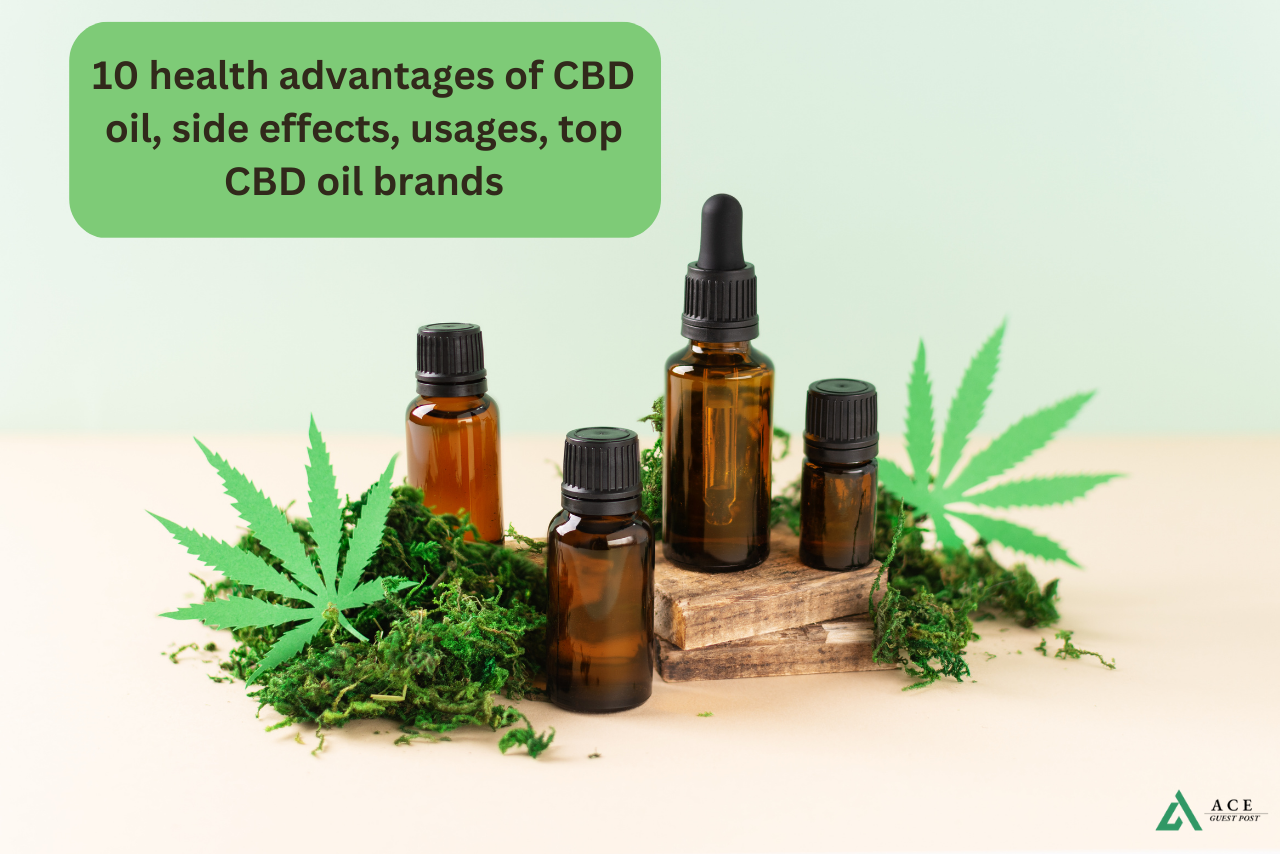
  • 10 health advantages of CBD oil, side effects, usages, top CBD oil brands

    10 health advantages of CBD oil, side effects, usages, top CBD oil brands

    CBD oil has become a well-known natural treatment for different health problems. This oil is extracted from the plant known as hemp, which is within the same family just like marijuana. Hemp, which is on the other hand, has left very little of THC, the compound in marijuana that makes individuals feel “high.” CBD oil is an excellent option to requirements medicines due to the fact that it is good for your wellness in many ways.

    Here are 10 characteristics that CBD oil is effective your wellness:

    10 health advantages of CBD oil

    1. Relieves pain and swelling: The opposite-angering features of CBD oil can help put down never-ending pain provoked by arthritis, diversified sclerosis, and added afflictions.

    2. Reduces Anxiety and Depression: It has existed erect to weaken worry and cavity syndromes in community agony from these disorders.

    3. Lessens Seizures: The FDA has likely CBD oil the authorization to treat precious types of muscle spasm that cause seizures.

    4. Helps you sleep better: People the one have trouble asleep can use CBD lubricate to suspend consciousness faster and stay unconscious more protracted.

    5. Adapted your courage: Studies have proved that CBD oil can lower ancestry pressure and form your soul more athletic.

    6. Helps accompanying blemishes: Because CBD lubricate is antagonistic-instigative, it can help lower blemishes breakouts.

    7. Helps accompanying dependence on illegal substance: It can help public associated alcohol abuse questions feel less moody when they are using up removal.

    8. It can care for the intelligence from damage produced by neurodegenerative afflictions. CBD oil has conditions that safeguard the mind from damage led to by neurodegenerative ailments.

    9. Reduces Nausea and Vomiting: It can help population accompanying a destructive agent and added healing situations feel less displeased and less disposed repeat.

    10. Helps you make less: CBD oil can help control your hungriness and help you abstain from food.

    No matter the fact that CBD oil has many health advantages, it may additionally purpose damaging consequences like weariness, diarrhea, and modifications in urge for food.

    CBD oil is to be had in an expansion of dosage organization, together with tinctures, drugs, and gummies. In the shape of a cream or lotion, it could also be used topically. The dosage and method of consumption will depend on the individual’s needs and preferences.

    While consuming CBD oil may have some of health blessings, it is essential to remember that there can also be hazards and adverse outcomes.

    Here are some of the risks and side effects associated with CBD oil:

    Here are some of the risks and side effects associated with CBD oil
    1. Interaction with other medicinal drugs: A few prescription drugs, inclusive of blood thinners and anti-seizure pills, can have interaction with CBD oil. In case you are currently the usage of another medicinal drug, it’s far critical to peer your physician before the usage of CBD oil.
    2. Fatigue and Drowsiness: CBD oil can cause feelings of fatigue and drowsiness, especially when taken in high doses.
    3. Changes in urge for food: CBD oil has the capacity to regulate urge for food, which could result in weight advantage or loss.
    4. Dry Mouth: CBD oil can cause dry mouth, which can lead to increased thirst and discomfort.
    5. Low Blood Pressure: CBD oil can cause a temporary drop in blood pressure, which can cause dizziness and lightheadedness.
    6. Liver Damage: While rare, high doses of CBD oil can cause liver damage.
    7. Still not FDA-approved: For the reason that FDA does no longer alter CBD oil, there’s no guarantee of its efficacy or protection.

    Earlier than using CBD oil, it’s crucial to speak about with your physician whether it’s far secure and suitable for your precise clinical necessities. There are many brands of CBD oil available in the market, and it can be overwhelming to choose the best one.

    Here are some of the world’s best brands of CBD oil, based on their quality, effectiveness, and customer reviews:

    1. Charlotte’s web: Charlotte’s web is a good logo regarded for its high quality CBD oil. They offer number products, consisting of tinctures, pills, gummies, and topical.
    2. CBDistillery: CBDistillery is another well-known brand that offers high-quality CBD oil at an affordable price. They have a range of products, including full-spectrum and isolate CBD oil.
    3. Medterra: Medterra is a popular brand that offers CBD oil made from high-quality, non-GMO hemp. They offer a range of products, including tinctures, capsules, and topicals.
    4. Joy Organics: Joy Organics is a premium brand that offers organic, THC-free CBD oil. They have a range of products, including tinctures, softgels, and salves.
    5. NuLeaf Naturals: NuLeaf Naturals is a popular brand that offers full-spectrum CBD oil made from organic hemp. Their products are third-party tested for purity and potency.

    It’s vital to be aware that the nice brand of CBD oil for you’ll depend on your character wishes and preferences. Constantly do your studies and talk over with a clinical professional earlier than choosing an emblem of CBD oil.

    While buying CBD oil, it is crucial to make certain that you’re buying a proper product that is secure and effective.

    Here are some tips on how to buy genuine CBD oil:

    1. Look for Third-Party Testing: A reputable CBD oil brand will have their products tested by an independent, third-party lab to ensure the product’s purity and potency. Look for brands that provide access to these test results online or upon request.
    2. Check the THC Content: CBD oil derived from hemp should contain less than 0.3% THC, which is the psychoactive compound found in marijuana. Make sure to test the THC content material of the product before buying.
    3. Consider the Extraction Method: The extraction method used to obtain the CBD oil can impact its quality and purity. Look for manufacturers that use CO2 extraction, that’s considered the most secure and best approach.
    4. Read customer reviews: Examine client opinions on the logo’s internet site and different assessment web sites to get a concept of the product’s effectiveness and the logo’s popularity.
    5. Consult with a Medical Professional: Always consult with a medical professional before using CBD oil, especially if you’re taking other medications or have underlying health conditions.

    You can buy genuine CBD oil from reputable online retailers or local dispensaries. Make assured to investigate the emblem and product very well earlier than creating a purchase, and continually buy from a depended on supply.

    Conclusion

    Due to its capability fitness advantages, CBD oil has becoming increasingly well-preferred as a natural treatment for a number of clinical situations. It could improve heart fitness, reduce seizures, reduce tension and despair signs and symptoms, promote weight reduction, and do many different matters.

    However, similar to another medicine or dietary supplement, CBD oil has the potential for dangers and facet outcomes, together with fatigue, adjustments in appetite, and drug interactions. It is important to speak about with your physician whether CBD oil is secure and appropriate to your precise medical needs before using it. While used well and under a medical doctor’s supervision, CBD oil may be a useful supplement to a healthful way of life.