Author: Emily Johnson

  • SGE Content Optimization: Your Guide to Search in 2026

    SGE Content Optimization: Your Guide to Search in 2026

    Search engines no longer just show links. They provide answers directly to the user. Google Search Generative Experience (SGE) has changed how we reach people online. In the past, you focused on getting a blue link to the top of a page. Now, you must focus on how an AI engine interprets your brand. Users want fast facts without clicking through five different websites. You must adapt your writing and technical setup to stay visible in this new world. This post explains how to win in this new era of search by speaking the language of both humans and machines.

    SGE Content Optimization

    What is Generative Engine Optimization (GEO)?

    Traditional SEO focuses on keywords and rankings. Generative Engine Optimization (GEO) focuses on being the source of truth for AI. AI models like Gemini and ChatGPT look for clear data. They want to cite experts who provide direct answers.

    To success at GEO, you must structure your content for AI consumption. Use direct language. Start your articles with a clear summary of the topic. AI tools prefer content that is easy to scan. If an AI can summarize your page, it will likely quote you as a source. This builds brand trust without a single click from the user.

    In 2026, search engines act as synthesizers. They pull facts from multiple sites to build one response. Your goal is to be the primary fact in that response. This means using clear headings and bullet points. Avoid long, winding stories that delay the point. Give the answer first and then explain the details. This structure helps AI crawlers find your value quickly.

    Zero-Click Content Strategy 2026

    By 2026, many users get answers without leaving the search page. This is the “zero-click” reality. You might worry about losing website traffic. However, being the answer in an AI overview is a huge success.

    A Zero-Click Content Strategy 2026 focuses on brand impressions. You want your name to appear in the AI response. Provide full answers in 50 words or less at the top of your page. Use tables and lists to help AI extract your data. This makes your brand the authority in the mind of the searcher. Users will remember your name when they are ready to buy.

    Think of your website as a library for AI. If the AI answers a user’s question using your data, your brand gains credit. You can track this through “share of voice” in AI summaries. Success is no longer about total site visits. It is about how often an AI mentions your business. This strategy builds a strong reputation that leads to higher quality leads later.

    Marketing Automation for AI Agents

    Marketing is now a talk between machines. Marketing Automation for AI Agents is the new standard for business growth. Your website must talk to the personal AI assistants of your customers. These agents look for products; compare prices, and book services.

    Use technical tags like Schema markup. These tags tell AI agents exactly what you sell. Automation tools now update these tags in real-time. This ensures AI agents always have your latest prices and stock levels. It removes the friction of manual updates. Your business stays ready for every digital query at any time of day.

    Automation also helps with personalization. When an AI agent asks for a solution, your site can provide a tailored response. This happens in milliseconds. By making your data easy for machines to read, you remove barriers to sale. This is the bridge between a simple search and a completed purchase.

    Ethical First-Party Data Strategies

    Privacy rules are stricter than ever. Third-party cookies are gone. You need Ethical First-Party Data Strategies to understand your audience. You cannot rely on outside tracking to find your customers.

    Collect data directly from your users with their clear consent. Use surveys, quizzes, and account sign-ups. Be honest about why you need the data. Give users something valuable in return, like a guide or a discount. This creates a fair trade between you and your audience.

    Good data helps you personalize content without breaking privacy laws. When users trust you, they share more information. This information lets you build better AI models for your own business. Trust is your most valuable asset in the 2026 economy. Respecting user boundaries is the best way to keep them coming back.

    Conversion Rate Optimization for AI Chatbots

    Traffic is only the first step in the sales funnel. You must turn visitors into buyers once they arrive. Conversion Rate Optimization for AI Chatbots is how you do it.

    Modern chatbots are not just for basic support. They are active sales tools. Optimize your bot to answer questions fast. A bot should guide a user to the right product in seconds. Use natural language that sounds helpful, not robotic.

    Make sure the bot can handle complex tasks. It should be able to book a demo or process a return. A fast, smart bot keeps users from leaving your site. If a user gets a fast answer, they are more likely to buy. You should test different bot scripts to see which ones close more deals. Small changes in how a bot greets a user can lead to big sales gains.

    Google E-E-A-T and AI Trust

    Google still values Experience, Expertise, Authoritativeness, and Trustworthiness (E-E-A-T). AI models use these signals to pick their sources. They want to avoid “hallucinations” or wrong info.

    Show your real-world experience. Use author bios with clear credentials and links to social profiles. Link to reputable outside sources to back up your claims. AI can tell the difference between shallow fluff and deep insight. Write for humans first, but keep AI needs in mind.

    Experience is the hardest thing for AI to fake. Share personal stories or case studies. Talk about what you learned from real projects. This unique content is what AI loves to cite. It proves you are a leader in your field. This type of quality content always successful in the long run.

    Building Content for the 2026 User

    The user in 2026 is impatient. They want the truth instantly. Your content must meet this need. This involves more than just text. You should include high-quality images and videos. These assets should have clear descriptions so AI can “see” them.

    Multimedia helps with GEO. If an AI assistant can show a video of your product in a search result, you win. Make sure your site loads fast on mobile devices. Most AI searches happen on phones. A slow site will be ignored by both humans and AI bots.

    The Role of Sentiment in Search

    AI is now very good at reading mood. It looks for “positive sentiment” when recommending brands. If your content is helpful and kind, AI will notice.

    Avoid aggressive sales pitches. Focus on solving the problems of your users. Helpful content naturally earns positive reviews and links. These signals tell search engines that your brand is safe and reliable. A friendly tone goes a long way in an AI-driven world.

    SGE Content Optimization

    Measuring Success in the SGE Era

    You need new metrics for 2026. Page views are not enough. Pay attention to the “citation rate.” This shows how often AI models name your site as a source.

    Track the “Brand Mention Volume” in the AI chat. This will tell you whether your zero-click strategy is effective or not. Use your original data to view users interactions with your chatbot. If they get answers and stay on the site, your optimization is working. Constant testing is the key to staying on top.

    Final Thoughts for 2026

    The search world is changing fast, but the basics of quality stay the same. You must look beyond simple clicks and focus on being the best source. Focus on authority and clarity in every post.

    Use automation to talk to AI agents and ethical data to know your fans. By optimizing for SGE, you ensure your brand stays relevant. This guide gives you the tools to lead in the age of AI. Start applying these strategies today to success the search wars of tomorrow.

    Frequently Asked Questions

    Q: How does GEO differ from standard SEO?

    A: Standard SEO targets rankings on a results page. GEO focuses on making your content easy for AI models to understand and cite. It prioritizes direct answers over keyword density.

    Q: Can a Zero-Click strategy actually lead to sales?

    A: Yes. Even if users don’t click, they see your brand as an expert. This increases awareness of the brand. When they’re ready to buy, they’ll specifically search for your brand.

    Q: Why is first-party data better than third-party data?

    A: Direct data is more accurate because it is obtained directly from your users. It is also more ethical and complies with privacy laws. This creates a deeper level of trust with your audience.

    Q: What is the most important part of optimizing a chatbot?

    A: Speed and helpfulness are the most important factors. A bot must solve a user’s problem or answer a question in seconds. It should feel natural and lead the user toward a solution.

    Q: How does AI determine if a source is trustworthy?

    A: AI looks for clues such as biographies of experts, links to reputable sites, and high-quality data. It also checks for “positive sentiment” in user reviews and mentions on the web.


  • How SaaS Brands Use Generative Engine Optimization Strategies to Dominate AI?

    How SaaS Brands Use Generative Engine Optimization Strategies to Dominate AI?

    The way people find software is changing. They no longer just scroll through pages of blue links on Google. Instead, they ask AI tools like ChatGPT or Perplexity for help. They want quick answers and direct advice. This shift has created a new field called Generative Engine Optimization (GEO).

    SaaS brands that master GEO will lead the market. Those that do not risk becoming invisible. This post shows how top brands use specific strategies to dominate AI search results. We will look at how machines process information and how you can influence them.

    Generative engine optimization strategies for SaaS

    Why AI Search Matters for SaaS

    AI models act as filters. They read millions of pages to find the best answer for a user. If your brand is not in that answer, you lose the lead. Traditional SEO focused on keywords. GEO focuses on being a trusted source that an AI wants to cite.

    Buyers now use AI to compare software features. They ask for pros and cons. They want to know which tool fits their specific budget. If the AI does not know your product, it cannot recommend you. This makes visibility in generative engines a top priority for marketing teams.

    LLM Citation Benchmarks for SaaS

    Top brands do not guess if they are winning. They use LLM citation benchmarks for SaaS to track progress. These benchmarks measure how often an AI mentions your product. They also look at how many times the AI links back to your site.

    A high citation rate builds trust with both the machine and the user. If three different AI models recommend your tool, a buyer feels safe choosing it. Brands now track “mention frequency” and “link presence” across models like Claude and Gemini. This data helps teams see which pages the AI finds most useful.

    You must analyze which parts of your site get cited most. Is it your blog? Is it your pricing page? Knowing this helps you focus your resources. It also shows you which topics the AI views you as an expert on. High citation scores often lead to higher conversion rates from AI-driven traffic.

    Building a Strong Digital Identity

    AI models look for clear facts. They need to know exactly what your software does and who it is for. If your messaging is vague, the AI will ignore you. It prefers structured data and consistent information.

    B2B SaaS Entity Optimization

    To win, you must practice B2B SaaS entity optimization. This means making your brand a clear “entity” in the eyes of the machine. An entity is a distinct person, place, or thing that the AI understands.

    Top brands use structured data to define their identity. They add specific code to their websites that labels their product name, features, and pricing. They also make sure their info is the same on LinkedIn, G2, and Capterra. When an AI sees the same facts everywhere, it gains confidence. It is then more likely to recommend that brand as a top solution.

    Think of your brand as a node in a giant web. The AI connects your name to specific problems you solve. If those connections are weak, the AI skips you. Entity optimization strengthens these bonds. This ensures that when someone asks for a “cloud security tool,” the first thing that comes to the AI’s mind is your brand.

    Understanding What Users Really Want

    AI tools are conversational. Users do not just type “CRM software.” They ask, “What is the best CRM for a small team that uses Slack?” SaaS brands must prepare for these detailed questions. They must speak the same language as their customers.

    Natural Language Intent Mapping

    Smart teams use natural language intent mapping. This strategy goes beyond simple keywords. It outlines the goals behind the user’s query. It focuses only on the “why” rather than the “what.”

    For example, a user might ask “how to fix high churn.” The brand should have content that explains the problem and offers their tool as the solution. By matching the natural way people speak, brands show up in AI answers. This helps them capture buyers early in the journey.

    You should audit your content for conversational clarity. Does your text answer real questions? Does it follow a logical flow? AI models prefer content that mimics human logic. Intent mapping ensures your content serves a purpose for both the user and the machine.

    Measuring Your Success in the AI Era

    You cannot improve what you do not measure. In the past, we tracked clicks and rankings. Now, we need new numbers. We need to know our standing in the AI ecosystem.

    AI Share of Voice Metrics

    Brands now focus on AI share of voice metrics. This tells you how much of the “AI conversation” you own. If an AI answers 100 questions about your category, how many times are you mentioned?

    If your share is 60%, you are a leader. If it is 10%, you have a visibility problem. Monitoring it on different platforms shows what areas you are strong in and what areas you need to improve. This also shows which competitors the AI prefers over you.

    These parameters are helpful in setting goals for your content team. You can aim to increase your share in specific areas. For example, you may want to strengthen your hold in the “enterprise” segment. This targeted approach ensures that you win the most important segment of the market.

    Keeping Your Technical Content Clean

    Software changes fast. New features come out every month. If your old documents remain online, they can confuse the AI model. They can provide outdated instructions to your users.

    Semantic Drift in Software documentation

    One major risk is semantic drift in software documentation. This happens when the meaning of a word changes over time. For example, an old document might describe a feature that no longer exists. Or a word like “auto-scaling” may have a different meaning today than it did five years ago.

    If an AI reads that old page, it might give the user wrong info. This hurts your brand’s trust. The top SaaS companies audit their documents on a regular basis. They remove old technical terminology and update facts. This ensures the AI always has the “current truth.”

    Semantic drift can happen slowly. You might not notice it until users complain. By setting up a recurring review process, you keep your data fresh. Clear and accurate docs make it easy for AI to help your customers.

    The Strategy for Data Freshness

    AI models have training cutoffs. However, newer search-based AI tools can browse the web in real-time. This makes data freshness critical. You should use timestamps on your technical pages. This tells the AI that the information is current.

    If your product changes, update the documentation immediately. Use redirect links for old pages. This prevents the AI from crawling dead ends. A clean site structure helps the AI navigate your content without getting lost.

    Generative engine optimization strategies for SaaS

    Tips for Getting Started with GEO

    To dominate AI search, you must act now. Follow these simple steps to improve your reputation:

    • Be Direct: Write a clear and concise answer at the top of your page. The AI model likes content that can be easily understood. Start with a definition or a direct answer.
    • Use Lists: Format your features and benefits as bullet points. This makes them worthy of reference when summarized by AI. Lists are easy for machines to understand.
    • Get Cited Elsewhere: AI models rely on what other sites say about you. Focus on getting reviews and mentions on high-authority sites. Third-party evidence is a strong signal for AI.
    • Update Often: Innovation is important. AI engines prioritize recently updated content. Set up a schedule to refresh your best-performing pages.
    • Monitor Competitors: See which of your competitors the AI refers to. Analyze their content and find out why the AI likes them. Learn from their success.

    The Future of SaaS Marketing

    The goal of marketing is still the same. You want to be where your customers are. Right now, they are talking to AI. By using these GEO strategies, your SaaS brand can become the top choice.

    Focus on being clear, being cited, and being consistent. You must treat AI models as a new type of customer. They need clear information to do their job well. If you provide that info, they will reward you with visibility.

    The brands that adapt to this change will the most market share. They will be the ones cited in every AI answer. They will be the ones that buyers trust. If you follow these steps, you will not just survive the AI age. You will lead it. Start your GEO journey today and watch your brand grow.

    Frequently Asked Questions

    Q: Does GEO replace traditional SEO for SaaS?

    A: No. GEO and SEO work together to boost your brand. Search engines drive clicks to your site, while GEO ensures your brand appears in AI summaries and chatbot responses.

    Q: How often should I audit my software docs for semantic drift?

    A: You should review your main documentation every single quarter. If you release features more often, perform monthly audits. This keeps your data fresh and prevents AI from learning errors.

    Q: Can I pay AI companies to cite my brand?

    A: Current AI models do not support paid ads yet. They select sources based on trust and relevance. You must earn citations by providing high-quality content and gaining third-party links.

    Q: Will AI citations really lead to website traffic?

    A: Yes. Most AI tools now include links to their sources. Users click these to see data or to sign up. Even without clicks, citations build massive trust and brand awareness.

    Q: What is the fastest way to improve my AI share of voice?

    A: Simplify your pages by using clear headers and direct language. Answer the top ten questions your customers ask. This makes your content easy for AI models to read and summarize.

  • Building the Future of Automated Finance with Agentic AI Technology

    Building the Future of Automated Finance with Agentic AI Technology

    Money management is changing fast. For years, we used apps to check balances or move funds. These tools were helpful but required us to do all the work. Now, a new era is here. We are moving from simple apps to smart systems. This shift centers on agentic AI. Unlike old bots, these agents do more than talk. They take action to solve problems. This technology is creating a new world of automated finance.

    agentic AI for mobile banking

    The Shift to Agentic AI for Mobile Banking

    Most people use a banking app every day. In the past, these apps were just digital filing cabinets. You could see your data, but the app stayed passive. This relationship changes with the rise of agentic AI for mobile banking. Imagine an app that doesn’t wait for your order. It looks at your spending and finds ways to save you money.

    If your car insurance is too high, the agent finds a better deal. It can even start the switch for you. This is the core of agentic AI. It acts as a digital partner. It understands your goals and works to meet them. Users no longer have to navigate complex menus. They just share what they need, and the agent takes care of everything else. This shift makes banking a helpful assistant rather than a chore. It removes the friction of manual data entry. You spend less time staring at spreadsheets. You spend more time living your life.

    Real-Time Power: Autonomous Payment Orchestration Agents

    Moving money can be a headache for businesses and people alike. Different banks and countries have different rules. This often leads to delays or high fees. To solve this problem, banks now use autonomous payment orchestration agents. These agents work like smart traffic controllers for your money. These control transactions across many different networks.

    When you send a payment, the agent checks all possible paths. It checks the lowest charge and the fastest speed. It is customized in real time according to network related problems. If a path is blocked, it immediately finds another path.

    This happens without any human help. These agents ensure that payments land where they should, every single time. They turn a messy process into a smooth, invisible task. Businesses can lower their overhead costs significantly. Individuals enjoy instant transfers without the usual stress. This tech ensures the global economy stays liquid and efficient.

    Working with Intent-Driven Banking Workflows

    Traditional banking follows a rigid path. You click a button, fill a form, and wait for a result. This process is slow and often annoying. The future relies on intent-driven banking workflows. These workflows focus on what the user wants to achieve, not just the steps. The goal becomes the primary focus of the software.

    An agent might notice you are saving for a house. Instead of waiting for you to ask, it builds a plan. It moves money to high-yield accounts. It tracks your progress against market prices. If you tell the app, “I want to buy a car,” it handles the logistics. It checks your credit, finds loans, and prepares the necessary paperwork. The system adapts to your lifestyle. You specify your need and AI prepares the workflow accordingly. This reduces the mental burden on the user. You no longer need to be a finance expert to manage your wealth. The system guides you toward success based on your personal values.

    Scaling Up: AI-Native Loan Origination Efficiency

    Getting a loan used to take weeks. You had to provide piles of paper and wait for a human review. This old way is dying. Today, AI-native loan origination efficiency is the new standard. Digital lenders use AI agents to read documents in seconds. These tools extract data from tax returns and bank statements without error.

    These agents confirm income and check credit score immediately. They also see other data such as utility bill history to assess your reliability. Because the system is AI-native, it does not get tired or miss details. This leads to faster approvals and lower costs for everyone. The process which used to be completed in the earlier days is now done in minutes. With this speed, people get the necessary money at the time of need. Small businesses can raise capital for growth at critical times. Families can close on homes without long periods of uncertainty. Efficiency creates a more stable and reactive financial market.

    The Big Difference: Conversational Banking vs Agentic AI

    It is easy to confuse these two technologies. Many banks already use chatbots. This is called conversational banking. It is great for answering FAQs or checking a balance. However, there is a clear line between conversational banking vs agentic AI. One is a messenger, while the other is an actor.

    Conversational banking is like a smart FAQ page. It can talk, but it cannot always “do.” If you ask it to fix a billing error, it might just give you a phone number. Agentic AI is different. It is built for execution. It does not just tell you there is an error; it goes into the system and fixes it. It talks to other agents to resolve the issue. One explains the problem, while the other provides the solution. This is a massive leap in utility. We are moving from talking about problems to solving them in real time. This change builds deeper trust between the bank and the client.

    Handling Wealth Management at Scale

    In the past, only wealthy people had financial advisors. These advisors watched the market and moved money around. Most people could not afford this level of service. Agentic AI changes that reality. It brings elite wealth management to everyone with a Smartphone. It monitors your portfolio when you sleep.

    If the price of a stock falls or a new opportunity arises, the agent may respond. It follows the rules you set at the start. It can rebalance your 401k or suggest tax-saving moves. This is not just a simple alert system. The agent performs the trades and files the reports. It ensures your money is always working as hard as possible. You get the benefits of a professional team without the high fees. This democratization of finance creates a more equitable society. Everyone gets a chance to build long-term security.

    Cybersecurity and the Role of Agents

    Fraud is a major concern in the digital world. Hackers are always finding new ways to steal data. Manual security checks are often too slow to catch them. Agentic AI provides a new layer of security. These agents monitor the activity of the account 24/7. They learn your general patterns and immediately recognize unusual movements.

    If someone tries to access your account from a new city, the agent reacts. It doesn’t just send an email. It can temporarily lock the account or ask for extra proof of ID. It can even talk to the merchant’s agent to stop a fake charge. This active defense happens in milliseconds. It provides peace of mind in a dangerous digital environment. Your digital partner is always cautious to protect your properties.

    agentic AI for mobile banking

    The Importance of Data Privacy

    For these agents to work, they need access to our data. This requires a high level of trust. Banks are building these systems with strong safety rules. They use encryption to keep your private details hidden. You always remain the owner of your information.

    Humans stay in the loop for big decisions. You set the boundaries for what the agent can do. For example, you might let it pay small bills but require a signature for large ones. This balance keeps your money safe while making your life easier. Clear transparency is the key to success here. Users need to know how their data is used and why. When people feel safe, they are more likely to adopt these tools.

    Why This Matters Now

    The financial world is more complex than ever. We have more accounts, more subscriptions, and more digital payments. Humans struggle to keep up with every detail. Agentic AI acts as a shield against this complexity. It handles the boring parts of money management. This leaves us free to focus on our big life goals.

    The economic climate is also changing rapidly. Interest rates move, and markets shift without warning. Having an agent that can react instantly is a major advantage. It prevents you from missing out on gains or suffering from avoidable losses. It turns your financial life from a source of stress into a source of power.

    Future Developments in Autonomous Finance

    We are only at the beginning of this journey. Soon, agents will talk to each other across different banks. Your mortgage agent will talk to your insurance agent. They will bundle services to save you even more money. They will work together to find the best tax strategies.

    Regulatory bodies are also working to catch up. They want to ensure these agents play fair. New laws will define how AI should behave in the market. This will provide a solid framework for innovation. As the rules become clearer, more companies will join the field. This competition will lead to even better tools for the average person.

    Final Thoughts

    The building blocks are already in place. Banks are moving agents from testing labs to real-world apps. We see the results in faster loans and smarter spending. As these agents grow smarter, they will become a natural part of our daily lives. The future of finance is not just digital. It is active, helpful, and truly automated. We are witnessing the birth of a new financial partner. This partner is always ready, always alert and always working for you. Embrace the change and enjoy the freedom it brings.

    Frequently Asked Questions

    Q: What is the main difference between agentic AI and a chatbot?

    A: A chatbot answers questions. Agentic AI takes action, like moving money or fixing account errors.

    Q: Is it safe for my private accounts?

    A: Yes. Banks use top security. You also set the rules for what the agent can do.

    Q: Will it replace human advisors?

    A: No. It handles routine tasks so humans can focus on complex planning.

    Q: How does it help with loans?

    A: It uses AI-native loan origination efficiency to approve applications in minutes instead of weeks.

    Q: Can it manage my payments?

    A: Yes. Autonomous payment orchestration agents find the cheapest and fastest way to send your money.

  • Noise Reduction Curtains for Home Office Windows: A Complete Guide

    Noise Reduction Curtains for Home Office Windows: A Complete Guide

    Noise Reduction Curtains for Home Office Windows

    Being able to work from home is liberating. However, outside noise often disrupts concentration. The sounds of traffic, sirens and neighbors can interfere with your intense work. Noise reducing curtains help to solve this problem. These heavy drapes block sound and light. They turn a noisy room into a calm sanctuary.

    Choosing the right soundproof window treatments is a big decision. You need a solution that balances style with high performance. This post covers everything you need to know about acoustic curtains for your office.

    What Are Noise Reduction Curtains?

    Standard curtains are thin and decorative. Noise reduction curtains use thick, dense materials. Manufacturers layer these fabrics to dampen sound waves. They act as a soft wall between you and the outside world. They are often called acoustic or heavy-duty drapes.

    These curtains do not just cover the window. They absorb vibrations that usually pass through glass. They are much heavier than normal drapes. Most weigh between 5 and 15 pounds per panel. This fabric density is what stops the noise.

    How Do They Function?

    Sound travels in waves. When waves hit a hard surface like glass, they bounce or pass through. Thick fabrics absorb these vibrations. This process is called sound dampening. Technically, it improves the sound absorption coefficient of your room.

    Most soundproofing curtains use a multi-layer structure:

    • Face Fabric: It’s the beautiful side of it that you see. It is usually made of velvet, suede or heavy polyester.
    • Inner Layer: This usually contains high-density felt, foam, or polyester batting. This layer traps sound waves to achieve ambient noise reduction.
    • Mass Loaded Vinyl (MLV): Some professional-grade curtains include a thin layer of vinyl. This adds extreme density.
    • Backing: This layer reflects light and adds more mass. It also protects the inner layers from sun damage.

    The extra weight is the secret. Heavy materials make it harder for sound to vibrate the fabric. This reduces the decibel levels that enter your workspace.

    Advantages of Soundproof Curtains

    Better Focus: Silence helps you think. You will finish tasks faster without barking dogs or lawnmowers. A quiet environment lowers stress levels during the workday.

    Temperature Control: These thermal insulated curtains provide great insulation. They keep your office cool in summer and warm in winter. They block drafts from old window frames. You will save money on energy bills every month.

    Light Blocking: Most noise-canceling curtains are also blackout curtains. They stop glare on your computer screen. This reduces eye strain during long shifts. It also makes your office better for video calls.

    Low Cost: Replacing windows with three-layer glass is expensive. Soundproof curtains are a cheap way to fix noise issues. Anyone can install them in minutes without a contractor.

    Disadvantages to Consider

    Massive Weight: These drapes are very heavy. You cannot use a cheap, thin curtain rod. You need a sturdy rod anchored into wall studs. A falling rod can damage your walls or desk.

    Limited Style Because they are thick, they can look bulky. They do not have an airy feel like transparent curtains. They take up more space when they are pulled open.

    Dust Collection: Thick clothes trap dust and pet hair. You should vacuum them regularly to keep the air clean. This becomes even more important when there is an allergy.

    Not Fully Soundproof: No curtain stops 100% sound. They reduce noise, but don’t completely finish. High-pitched sounds like sirens might still get through. Use them with other tools for the best results.

    Key Materials Used in Acoustic Curtains

    Understanding the fiber content helps you make a better choice. Here are the most common materials:

    • Velvet: This is naturally dense and heavy. It has a high stack that effectively blocks sound waves.
    • Suede: Microsuede is a synthetic alternative. It is very durable and has a modern look.
    • Polyester: Strong polyester is used in most curtains. It is durable and easy to clean.
    • Felt: Often used as a middle liner. It is one of the best materials for echo reduction.
    • Blackout Liners: These are usually made of coated fabric. They add a layer of density that helps with both light and sound.

    Understanding the STC Rating

    When shopping, you might see an “STC” rating. This stands for Sound Transmission Class. It is a scale used to measure how well a material stops sound.

    • STC 20-25: This is standard for thin curtains. They only block very soft speech.
    • STC 30-35: Good quality noise reduction curtains fall here. They can block loud speech and some traffic noise.
    • STC 40+: These are industrial-grade curtains. They are very thick and used in recording studios.

    For the home office, choose curtains with a rating between 25 and 35. This provides a balance between weight and performance.

    Durability and Lifespan

    High-quality acoustic curtains last for many years. Since they stay indoors, they face little wear and tear. The main threat is sun damage. Look for curtains with UV-resistant backings. This prevents the fabric from cracking or fading. If you take good care of them, they will last for a decade.

    The hardware often fails before the fabric. Ensure you use high-quality rings and mounting hardware. Over time, the weight can cause cheap rings to bend. Check the tension of your curtain rod twice a year.

    How to Choose the Best Curtains

    Check the Weight

    Heavier is always better. Look for curtains that weigh at least 5 to 7 pounds per panel. Avoid any product that feels light or “airy.”

    Look for Triple-Weave Technology

    This method weaves three layers of yarn together. It creates a dense fabric without needing a plastic liner. It is more flexible and looks better than layered curtains.

    Measure for Maximum Coverage

    Buy curtains that are wider than your window. They should overlap the wall by several inches on each side. This creates a better window seal and prevents sound from leaking around the edges.

    Floor-to-Ceiling Length

    Hang them high and let them touch the floor. This creates a complete seal against the window frame. This “puddling” effect on the floor stops sound from creeping under the curtain.

    Noise Reduction Curtains for Home Office Windows

    Installation Tips for Home Offices

    Success depends on how you hang the curtains. Follow these steps for the best results:

    • Find the Studs: Use the stud finder to locate the wooden frame that is behind the drywall.
    • Use Heavy Duty Hardware: Buy fishing stick with a capacity of at least 30 pounds.
    • Wrap-Around Rods: These curved parts made on the sides keep the fabric attached to the wall. This design produces more sound impedance than straight rods.
    • Grommet Top vs. Rod Pocket: A grommet top makes sliding easy, but a rod pocket blocks more light at the top.
    • Layering: Consider using two sets of curtains on one rod for double the density. This turns them into industrial acoustic blankets.

    Maintenance and Care

    Most soundproof curtains are too heavy for home washers. Take them to a professional cleaner once a year. For weekly care, use a brush attachment on your vacuum. This will create an atmosphere of freshness and professionalism in the office.

    If there are cracks, use a hand steamer. Do not iron them directly, as the heat can damage the inner layer. Keep them away from heaters or open fires.

    Creating a Quiet Office Environment

    Curtains are just one part of the puzzle. You can add other elements to improve your workspace:

    • Acoustic Panels: Hang these on the walls to stop echoes inside the room.
    • Area Rugs: Thick rugs stop sound from bouncing off hard floors.
    • Weather Stripping: Seal the gaps in your window frame with foam tape. This is vital for double-hung windows.
    • Door Draft Stoppers: Use a weighted tube at the bottom of your office door to prevent hallway noise.
    • Bookshelves: A wall of books acts as a great sound insulator.

    Summary

    Office privacy curtains are a smart investment for any remote worker. They provide privacy, comfort, and silence. They improve your focus and help you stay professional during calls. Choose heavy fabrics and install them correctly. You will notice the difference during your next video call. A quiet office is a productive office.

  • Passive Income Ideas With Zero Investment

    Passive Income Ideas With Zero Investment

    Building a steady cash flow often feels like a dream. Many people think you need a big bank account to start. This is not true. You can build wealth using only your time and skills.

    Passive income is money you earn with little daily effort. You do the hard work once at the start. Later, the money keeps coming in while you sleep or travel. This article shows you how to start today with no cash. We will look at many ways to build wealth from scratch.

    1. Sell Your Knowledge Through E-books

    Do you know a lot about a specific topic? Maybe you are great at cooking, coding, or fixing cars. You can write a short e-book about it. You do not need a publisher to get your work seen.

    Amazon Kindle Direct Publishing lets you upload books for free. They take a small cut of each sale. You keep the rest. A book can be as short as thirty pages. Focus on solving one problem for your reader. Once it is online, it can sell for years. You do not have to ship anything or print pages. Amazon handles the work.

    2. Start a Faceless YouTube Channel

    Many people make money on YouTube without showing their faces. You can create videos using stock footage or simple drawings. Voiceovers can be recorded on your phone in a quiet room.

    Pick a niche that people always search for. Topics like “how to save money” or “meditation music” work well. These videos stay useful for a long time. They are called “evergreen” content. Once you reach enough views, YouTube pays you for ads. You can also add links to products in the description. This adds a second way to get paid.

    3. Share Your Art with Print on Demand

    If you like to doodle or design, this path is for you. Sites like Redbubble or Printful let you upload art. They put your art on shirts, mugs, and phone cases.

    You do not buy the shirts yourself. When a customer buys one, the site prints and ships it. They handle the hard parts of the business. You get a fee for the design. It costs nothing to open a digital shop. You only need a few good designs to start. If a design goes viral, you could earn for a long time.

    4. Create and Sell Digital Templates

    People pay for tools that save them time. You can make templates for apps like Notion, Excel, or Canva. A budget tracker or a meal planner is very helpful to busy parents.

    You build the template once. Then, you list it on Etsy or Gumroad. Buyers download the file instantly. There is no shipping and no inventory to track. This is a very clean way to earn. It scales well because one file can sell a million times. You do not have to work more to sell more.

    5. Join Affiliate Marketing Programs

    You can earn money by telling people about products you love. This is called affiliate marketing. Many big stores like Amazon have these programs.

    You get a special link to a product. When someone clicks and buys, you get a small fee. You can share these links on a blog or social media. Be honest with your fans. Only suggest things that truly help. Trust is the key to making this work. If people trust you, they will buy what you suggest.

    6. License Your Photos and Videos

    Do you take high-quality photos on your phone? You can sell them to stock photo sites. Brands need images for their websites and ads every day.

    Upload your best shots to sites like Adobe Stock or Shutterstock. Every time someone buys a photo, you get paid a royalty. Focus on themes like business, nature, or city life. One great photo can be a source of income for many years. You can also sell short video clips. These often pay even more than photos.

    7. Build a Niche Newsletter

    Writing a weekly email is a great way to grow an audience. Pick a topic you love. This could be AI tools, gardening tips, or local news. Use free platforms like Substack to send your emails.

    As your list grows, brands will pay to be in your email. You can also recommend products for a fee. A newsletter builds a deep bond with readers. This bond makes your income more stable. You own your list, so no one can take it away.

    8. Rent Out What You Already Have

    Sometimes you have things you do not use. You can rent out a spare room or a parking spot. Even tools like a ladder or a high-end camera can earn cash.

    Apps help you find people nearby who need these items. You already own the item, so there is no new cost. This turns “dead” space into a live cash stream. It is one of the fastest ways to see results. You are getting paid for things you already bought.

    9. Create an Online Course

    If an e-book feels too small, try a course. You can record video lessons on your laptop. Platforms like Udemy or Skillshare host these for you.

    Teach a skill that helps people make money or save time. A course on “Basic Graphic Design” can help a small business owner. Once the course is live, students can sign up at any time. You do not have to be there to teach each class. You record it once and get paid forever.

    10. Design Worksheets for Teachers

    Education is a huge market. Many teachers look for ready-made worksheets for their classes. If you are good at math or science, create practice sheets.

    Sites like Teachers Pay Teachers allow you to sell these files. You help a busy teacher and earn money at the same time. These files are simple to make using free design tools. Many parents also buy these for home school use.

    11. Sell Audio and Music Tracks

    Are you good at making beats or catchy tunes? You can sell royalty-free music online. Video creators need background music for their clips.

    Upload your tracks to sites like AudioJungle or Pond5. When a creator uses your song, they pay you a fee. You can also record “ambient” sounds like rain or forest noise. People use these for sleep or study apps. It is a great way to use your creative ear.

    12. Design Social Media Filters

    Companies want fun filters for apps like Instagram and TikTok. You can learn to make these for free. Use tools provided by the apps to build your designs.

    Once you make a few good ones, brands may hire you. You can also sell your filter “templates” to other creators. This is a new and growing field. It is a great way to be part of the tech world with no cost.

    13. Create a Simple Mobile App

    You do not need to be a pro coder to make an app. There are “no-code” tools that let you build simple apps. Think of a tool that solves a small problem.

    Maybe an app that tracks how much water you drink. Or a simple game for kids. You can put ads in the app or offer a “pro” version. If people find it useful, they will keep it on their phones. This brings in money every month through ad views.

    14. Write for Sites that Pay

    Some websites pay you based on how many people read your articles. Medium is a popular site for this. You write about what you know.

    If people spend time reading your work, you get a share of their fee. You do not need to build your own website. You use their platform to find an audience. This is a low-stress way to start your writing career.

    15. Offer Peer-to-Peer Advice

    Some sites let you sign up as an expert. People book 15-minute calls to ask you questions. If you have experience in a job, this is perfect.

    You set your own price and your own hours. You are selling your time, but you can record the calls. Later, you can turn those common questions into a paid guide. This makes the income passive over time.

    How to Succeed in 2026

    To success at passive income, you must be patient. These ideas do not make you rich in one day. You must provide real value to others.

    Pick one idea: Do not try to do five things at once.

    Set a schedule: Spend one hour each day on your project.

    Focus on quality: One great book is better than ten bad ones.

    Be helpful: Solve a real problem for a real person. The digital world is full of chances. You have the tools in your hands right now. You just need to take the first step. Start today and build a better future for yourself. Consistency is more important than speed. If you help enough people, the money will surely follow.

  • AEO vs SEO For Small Business

    AEO vs SEO For Small Business

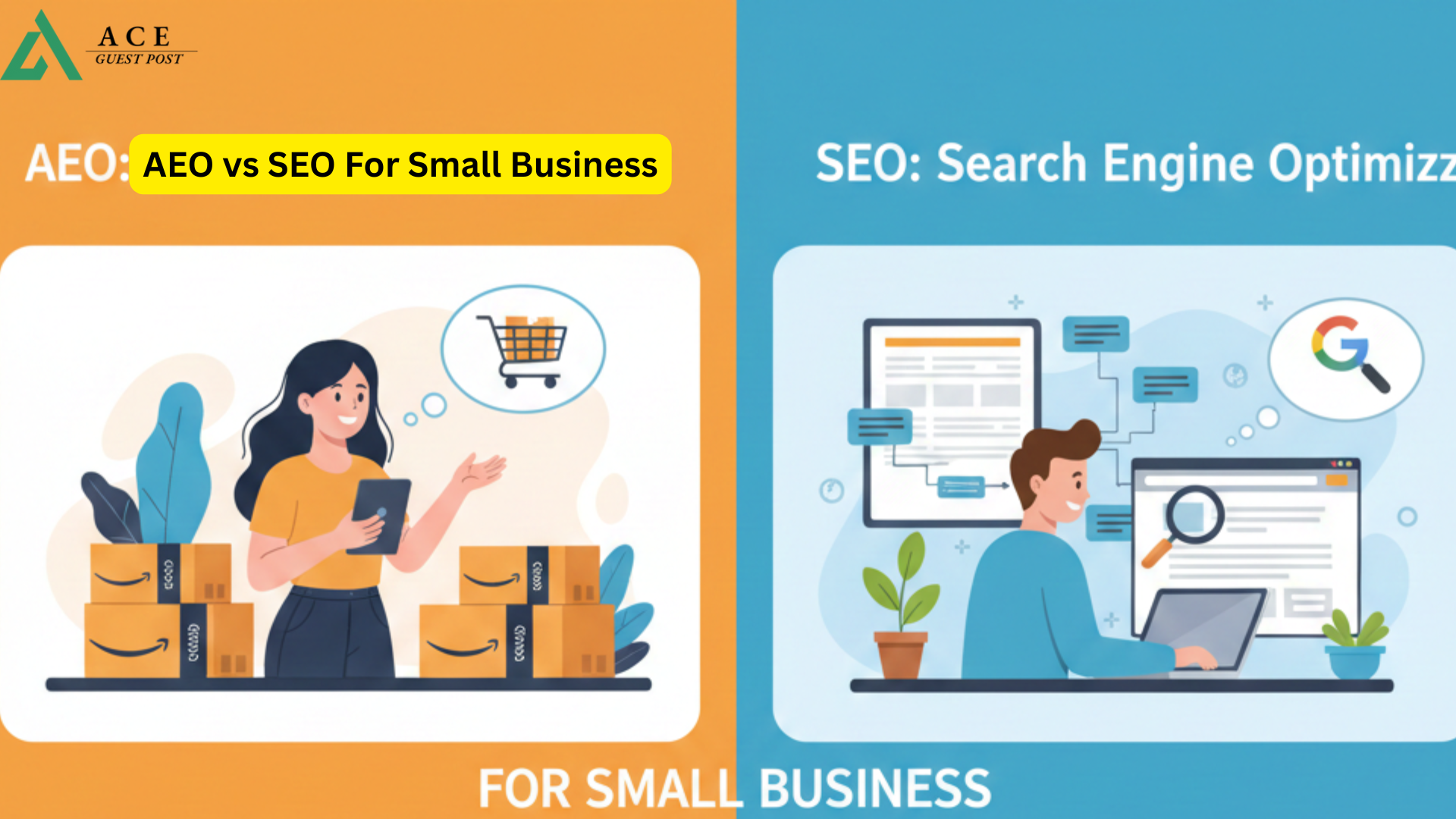
    Getting found online is changing. You might know about SEO. It has helped businesses for years. Now, a new player named AEO is here. Both help people find you on the web. Small business owners need to know the difference. This post explains how to use both to get more customers.

    AEO vs SEO for small business

    The Shift in How People Search

    In the past, people typed short words into a box. They might type “pizza Chicago.” Then they would look at a list of sites. They would click a link and read. This is the world of SEO.

    Today, people talk to their devices. They ask, “Where can I get the best thin-crust pizza in Chicago right now?” They expect one perfect answer. They do not want to hunt through a list. This is why AEO matters.

    What Is SEO?

    SEO stands for Search Engine Optimization. It helps your website rank high on Google. When someone types a search, you want your link to show up first. SEO focuses on clicks. You want people to visit your site. Once there, they read your content or buy your goods.

    Keywords and Traffic

    You use keywords that match what people type. If you sell shoes, you use words like “running shoes” or “leather boots.” You want to cast a wide net. SEO brings many people to your door. It builds a path from the search page to your home page.

    Site Health

    You also make sure your site loads fast on phones. Google checks if your site is safe. They look at how long people stay on your page. If people leave fast, Google thinks your site is not helpful. Good SEO keeps people around to learn more about you.

    What Is AEO?

    AEO stands for Answer Engine Optimization. This is about AI and voice search. Think about Alexa, Siri, or ChatGPT. People ask these tools direct questions.

    The Goal of the Answer

    AEO does not focus on links. It focuses on the answer. The goal is to be the one answer the AI gives the user. If a bot picks your text, you gain trust. You become the expert in the eyes of the machine.

    Beyond the Click

    Sometimes, AEO leads to a “zero-click” search. This means the user gets the answer without visiting your site. Some owners find this scary. But being the chosen answer is a win. It keeps your brand in the mind of the customer. It shows you have the facts they need.

    The Main Differences

    SEO and AEO have different goals. SEO wants to show a list of options. AEO wants to give the single best result.

    Content Length

    SEO uses long articles to explain topics. You might write 2,000 words on “How to Paint a House.” This shows Google you know a lot. AEO uses short, clear facts. It might just be two sentences on “What is the best temperature to paint a house?”

    Success Metrics

    SEO measures success by how many people click your link. You look at your traffic numbers every month. AEO measures success by brand mentions. You want AI to say your name when it answers a question. Both paths help you grow, but they work in different ways.

    Why Small Businesses Need AEO

    Most local searches are questions. Someone might ask, “Who is the best plumber near me?” Or they might ask, “What time does the flower shop close?”

    Local Impact

    AI tools pull these facts from the web. If your site is hard for AI to read, you lose that customer. You want to be the answer they hear. This is vital for shops that serve a local area. If you own a cafe, AEO helps people find your menu via voice search while they drive.

    Trust and Authority

    When an AI bot cites your business, it acts as a referral. People trust the top result. If ChatGPT says your shop has the best review that carries weight. It is like a digital word-of-mouth. Small businesses can use this to beat bigger brands.

    How to success at SEO in 2026

    Google still cares about quality. They look for E-E-A-T. This stands for Experience, Expertise, Authoritativeness, and Trustworthiness.

    Show Your Experience

    Write about what you know. If you fix cars, write about fixing cars. Share stories of real repairs you did. Use photos of your shop. This proves you are a real person with real skills. AI cannot fake true life experience.

    Build Trust

    Do not try to trick the search engine. Use clear headings. Make your site easy to navigate. Check that your contact info is correct on every page. Use a clear privacy policy. Links from other local sites also help build your authority.

    Technical SEO

    Keep your site simple. Use a clean design. Make sure your text is easy to read on a tiny screen. Use high-quality images but keep the file sizes small. Slow sites lose rankings fast.

    How to success at AEO

    To success at AEO, you must be direct. You need to speak the language of the bots.

    Question and Answer Format

    Use a “Question and Answer” format on your pages. Start a paragraph with a common question. Use a heading for the question. Give the answer in the very next sentence.

    Keep that answer under 40 words. AI loves this structure. It makes it easy for the bot to find the fact. Use bold text for key terms. This helps the AI identify the main point of your text.

    Structured Data

    Use “schema markup” on your site. This is a bit of code. It tells bots exactly what your data means. It marks your phone number, price, and address. It tells the bot, “This is a five-star review.” This code is like a map for AI. It helps them find the gems on your site without guessing.

    Better Together

    You do not have to pick just one. The best plan uses both. Think of SEO as your store and AEO as your sign out front.

    The Hybrid Strategy

    Use SEO to build a big library of info. This brings in people who want to learn. Use AEO to catch people who need a quick fix.

    When you write a blog post, add a summary at the top. This summary helps AEO. The rest of the post helps SEO. This dual path keeps you visible everywhere. You capture the “readers” and the “askers” at the same time.

    Maximizing Reach

    By using both, you cover all bases. Some people still like to browse on a laptop. Others only use a smart speaker. A combined plan makes sure you are there for both groups. It makes your brand look modern and ready for the future.

    Understanding the User Journey

    People go through stages before they buy. First, they have a problem. They ask a question. This is where AEO finds them. They might ask, “Why is my sink leaking?”

    Next, they want to compare solutions. They search for “best ways to fix a leaky sink.” This is where SEO brings them to your blog. Finally, they decide to hire a pro. They search for your brand name or your location. If you are present at every stage, you win the job. AEO starts the conversation. SEO builds the relationship.

    Common Mistakes to Avoid

    Many owners make things too complex. They use big words to sound smart. This hurts you in 2026.

    Avoiding Jargon

    Skip the “corporate speak.” Do not say you offer “innovative solutions.” Say you “fix things that break.” Bots prefer plain talk. Simple words are easier for AI to translate and summarize.

    Keeping Info Current

    Do not let your site get old. If your hours change, update them everywhere. If an AI gives an old address, you lose a sale. Check your site once a month to keep facts fresh.

    The Future of Search

    Search will keep changing. We will see more AI and more voice tools. But the core goal is the same. People want help. They want it fast.

    Small businesses that adapt will thrive. You do not need a huge budget. You just need to be clear. Treat your website like a helpful employee. It should answer questions and guide people to the right place.

    By focusing on the user first, you naturally please the bots. Both SEO and AEO will reward you for being helpful. Start small and keep building. Your future customers are already asking questions. Be the one who answers them.

    Frequently Asked Questions

    Q: Does AEO replace SEO?

    A: No. They work as a team. SEO builds your site’s traffic and authority. AEO helps you show up in AI answers and voice searches.

    Q: How long does it take to see results from AEO?

    A: It can be faster than SEO. If you provide a clear answer to a niche question, AI may pick it up in a few weeks.

    Q: Is AEO expensive for small businesses?

    A: Not at all. It mainly requires you to rewrite your content to be clearer. You do not need a big budget to be direct.

    Q: Will AEO reduce my website traffic?

    A: It might lead to fewer clicks for simple questions. However, the trust you gain leads to higher quality leads who really want to hire you.

    Q: Do I need to be a tech expert to use schema markup?

    A: No. Many website tools like WordPress have simple plugins. These help you add the code without writing it yourself.

  • Digital Marketing Automation Roadmap: A Guide for Toronto Businesses

    Digital Marketing Automation Roadmap: A Guide for Toronto Businesses

    Marketing has changed. You cannot do everything by hand anymore. Automation helps you grow without working more hours. It picks up the slack on boring tasks. This leaves you time for big ideas.

    Many brands in Ontario want to lead the market. They often look for SEO services in Toronto to help. But ranking is only one part of the plan. You need a clear path to turn visitors into buyers. This guide shows you how to build that path.

    Digital Marketing Automation Roadmap

    Why You Need a Digital Marketing Automation Roadmap

    A roadmap keeps your goals clear. It stops you from wasting money on tools you do not use. Most teams fail because they start too fast. They buy software before they have a plan.

    A good plan starts with your data. You must know who your customers are. You must know what they like to click. Automation uses these facts to send the right message. It makes your brand feel personal to every user.

    Without a map, you are just guessing. You might post on social media and hope for the best. You might send emails that no one opens. This digital marketing automation roadmap changes this. It gives you a step-by-step guide to success.

    Phase 1: Fix Your Foundation

    Do not automate a mess. If your website is slow, fix it first. If your content is old, update it. Google looks for helpful content. They want to see that you know your stuff. This is part of their E-E-A-T rules. It stands for Experience, Expertise, Authoritativeness, and Trust.

    Start by checking your current tools. Do you have a way to track visitors? You need Google Analytics 4. You also need a CRM. A CRM stores your customer info in one spot. This is the heart of your automation.

    Make sure your site is easy to use on a phone. Most people in Ontario shop from their mobile devices. If your site looks bad on a small screen, you lose money. A clean site is the best first step.

    Phase 2: Search Engine Optimization

    You need people to find you online. This is where SEO Toronto experts come in. They help you show up when people search for your business.

    Automation helps with SEO too. You can use tools to watch your rankings. Some tools find new keywords for you. They can even tell you when a link breaks. Keeping your site healthy is easier with these robots.

    High rankings build trust. When you appear at the top, people think you are the best. This helps your E-E-A-T score. It proves you are an authority in your field.

    Phase 3: Email and Lead Flows

    Email is still a power tool. But do not send the same blast to everyone. Use triggers. A trigger is an action a user takes.

    Maybe they download a guide. The system sends a thank you note right away. Two days later, it sends a tip. This is a lead flow. It nurtures the user until they are ready to buy.

    You can also track cart abandonment. If someone leaves your store, send a reminder. This brings back lost sales. It works while you sleep.

    Lead scoring is another great trick. You can give points to users who click your links. If a user gets 50 points, they are a hot lead. The system can then alert your sales team. This saves time for everyone.

    Phase 4: Social Media and Ads

    Managing social media takes a lot of time. Use a scheduler to plan your posts. This keeps your brand active every day.

    For ads, use smart bidding. AI can manage your budget for you. It puts your money where it gets the most clicks. This is very helpful for local SEO services in Toronto. It helps you win against big brands with more money.

    You can also automate your ad creative. Some tools test different pictures for you. They see which one people like most. Then, they show that picture more often. This makes your ads perform better over time.

    Phase 5: Customer Service Bots

    People want answers fast. They do not want to wait for an email reply. Chatbots can help.

    A bot can answer common questions. It can tell people your store hours. It can help them track a package. This keeps your customers happy. It also keeps your inbox clean.

    If the bot cannot answer, it sends the chat to a human. This is the best of both worlds. You get the speed of a bot and the care of a person.

    Phase 6: Test and Update

    Your roadmap is never truly done. You must look at your reports every month. See what works and what does not.

    Maybe your emails have low click rates. Change the subject line. Test two different versions. This is called A/B testing. Automation makes this easy to do.

    Always keep your content fresh. Google likes sites that stay current. If you stop updating, your rankings will drop. Use tools to find “content gaps.” These are topics your customers want to know about.

    Professional Tips for Success

    • Start small: Pick one task to automate first. Do not try to do everything in one week.
    • Focus on the user: Do not be annoying with too many messages. Send things that actually help them.
    • Be human: Use automation for speed, but keep your voice real. People can tell when a robot is talking.
    • Watch your data: Bad data leads to bad results. Clean your email list once a year.
    • Hire help: If this feels like too much, find a pro in SEO Toronto. They can set up the tech for you.
    • Integrate your tools: Make sure your email tool talks to your CRM. If they do not share data, automation fails.
    • Set clear KPIs: Know what success looks like. Is it more clicks? Is it more sales? Track it.

    How to Get Started Today

    Look at your daily tasks. Which ones do you hate? Which ones take too much time? Start there.

    You might start with an automated welcome email. Or you might use a tool to track your SEO services in Toronto results. Each small step builds your roadmap.

    The future of marketing is smart. It is fast and personal. By using this digital marketing automation roadmap, you stay ahead of the crowd. You build a business that lasts.

    Digital Marketing Automation Roadmap

    Deep Dive: Nurturing Your Leads

    Lead nurturing is the secret sauce. Most people are not ready to buy the first time they see you. They need to trust you first.

    Send them a helpful blog post. Share a video of how your product works. Ask them a question. This builds a relationship over time.

    Automation makes this easy to scale. You can nurture 10 people or 10,000 people. The effort is the same for you. This is how small businesses in Toronto grow into big ones.

    Why Local Context Matters

    Toronto is a busy city. People have many choices. You must stand out from the rest. Using local keywords helps.

    When you look for SEO Toronto, you want someone who knows the area. They know the streets. They know the culture. Your automation should reflect this too.

    Maybe you send a special offer during a local holiday. Or you mention a popular local park. These small touches make your automation feel less like a machine. They make it feel like a local friend.

    Future-Proofing Your Strategy

    Technology never stops moving. New tools come out every month. Your roadmap must be flexible.

    Always keep an eye on new trends. But do not chase every shiny object. Stick to what works for your users.

    A solid foundation is the best defense. If your site is fast and your content is great, you will be safe. Automation just makes your hard work go further. It is the fuel for your marketing engine.

    Final Thoughts on Your Strategy

    Automation is not a robot taking over. It is a tool to help you reach more people. It allows you to focus on your craft.

    Your roadmap should grow as you grow. Start with the basics like SEO and email. Then, move into ads and bots. Every step makes your business stronger.

    Remember, the goal is to help the user. If your automation helps them, you will win. If it annoys them, you will lose. Keep your focus on the person behind the screen.

    The Bottom Line

    Building a roadmap takes effort. It requires a mix of tech and strategy. But the rewards are worth it. You get more leads and more sales. You get your time back.

    Focus on your foundation first. Use SEO to get seen. Use email to stay close to your fans. Always put the user first. If you follow these steps, you will win the market. Your brand will grow. Your customers will be happy. Start your automation journey now. It is the best gift you can give your business.

  • How to Build Wealth in Your 20s–Beginner’s Guide

    How to Build Wealth in Your 20s–Beginner’s Guide

    Your 20s are the best time to grow your money. You have time on your side. Small moves today lead to big results later. This guide shows you how to start now. The world changes fast. Costs are up, but so are the ways to earn. Building wealth is about more than saving. It is about smart moves and the right tools.

    How to Build Wealth in Your 20s–Beginner’s Guide

    Start with a Strong Plan

    Building wealth is not about luck. It is about habits. You need to know where your money goes every day. Many young adults use the 50/30/20 rule. This rule is simple to follow. You spend 50% on needs like rent, utilities, and food. You use 30% for fun, like travel or dining. The last 20% goes to savings, debt, or investments.

    Living costs can be high. You must be strict with this plan. If you live in a big city, your rent might be very high. Try to cut small costs to keep that 20% for your future. Even small amounts matter when you start early. A few dollars saved today grow into much more in ten years. This is the power of compounding. It is like a snowball rolling down a hill. It gets bigger the longer it rolls.

    Use Budgeting Apps for Gen Z

    Managing money is easier with tech. You do not need a paper list or a complex sheet. There are many budgeting apps for Gen Z that does the work for you. These apps help you see your money in real time.

    • Monarch Money: This app is great for seeing everything in one place. It tracks your bank, stocks, and even crypto. It uses tech to group your spending. You can see exactly how much you spend on coffee or apps.
    • PocketGuard: This app tells you exactly how much you can spend today. It looks at your bills and your goals. Then, it gives you a “In My Pocket” number. It helps you stay in your limits without stress.
    • YNAB (You Need A Budget): This one is best if you have debt. It gives every dollar a job. You plan for every cent before you spend it. This app helps you break the paycheck-to-paycheck cycle.
    • Copilot: This is a top pick for Apple users. It has a clean look and fast updates. It helps you track your net worth over time.

    These apps connect to your bank accounts safely. They show charts of your spending. This helps you spot where you waste money. Maybe you have old subs you do not use. These apps find them so you can cancel them.

    Pick the Best Side Hustles

    One job is often not enough to get rich fast. You need more income to invest more. The modern market is full of new picks that pay well.

    AI Content Editor: Many companies use smart tools to write. They need humans to check the facts and style. You make sure the text sounds real and correct.

    UGC Creator: Brands want real videos from real people. You can get paid to review products on your phone. You do not need to be famous. Just need to make good videos.

    Virtual Event Tech: Many people work from home now. They need help in organizing online shows and meetings. If you are good with digital tools, this is for you.

    Reselling Tech: Buying old phones or game consoles and fixing them is a big trend. People want to save money. You can buy broken gear, fix it, and sell it for a profit.

    Affiliate Marketing: You can put links to products in your videos or posts. If someone makes a purchase through your link, you will get a commission. This is a great way to earn while you sleep.

    Extra money from these jobs should go straight to your investments. Do not use it for more shopping. Treat this money like it does not exist. Put it to work so it can grow.

    How to Save Money as a Freelancer

    Freelance work is very common now. But your pay might change every month. You might have a “fat” month followed by a “lean” month. You must learn how to save money as a freelancer to stay safe.

    • Open a Tax Account: Never spend all the money a client pays you. That money is not all yours. Set aside 30% for taxes right away in a separate account. This stops a big tax bill from ruining you later.
    • The Three-Month Buffer: Save enough to cover three months of bills. This is your “peace of mind” fund. It stops you from using credit cards when work is slow.
    • Automate Your Savings: Do not wait for the end of the month to save. Set your bank to move money to savings every week. Even $50 a week adds up fast.
    • Separate Your Accounts: Use one bank account for business and one for personal life. This makes it easy to see your profit.
    • Watch for Fees: Use banks that do not charge for business accounts. Some online banks are free. They even give you better interest rates.

    Invest Your Money Early

    Savings alone will not make you wealthy. Cash loses value over time because of inflation. You must put your money into things that grow.

    Index Funds and ETFs

    These are the safest way for beginners to start. When you buy an index fund, you buy a small piece of hundreds of companies. If one company fails, the others keep you safe. It is a low-risk move for the long term.

    Retirement Accounts

    If your boss offers a 401(k) match, take it. It is free money. It is like a 100% return on your investment right away. If you work for yourself, look into a Roth IRA. You pay taxes now, but you pay zero taxes when you take the money out later. Try to hit the limit every year.

    The 100 Minus Age Rule

    This is a simple way to pick your investments. Take 100 and subtract your age. If you are 25, that leaves 75. This means 75% of your money should be in stocks or funds. The rest can be in safer things like bonds or cash. As you get older, you move more to the safe side.

    How to Build Wealth in Your 20s–Beginner’s Guide

    Pay Off High-Interest Debt

    Credit cards are wealth killers. They charge very high interest, often over 20%. This debt grows faster than most investments. Pay these off before you start big investing. Use the “Avalanche Method.” Pay off the card with the highest interest first. This saves you the most money in the long run.

    Avoid Lifestyle Creep

    This is the biggest trap for young adults. As you earn more, it is tempting to spend more. You might want a new car or a bigger home. Resist this urge. Keep your costs low for as long as you can. Use your raises to buy more assets, not more stuff. The rich stay rich because they live like they earn less than they do.

    Focus on Learning High-Value Skills

    Your best asset is not your bank account. It is your brain. The world moves fast. You must keep learning. Take classes in coding, sales, or data tools. A person with high-value skills can always find work. This is the best way to protect your future.

    Protect Your Wealth

    Once you have some money, keep it safe. Use strong passwords on your financial apps. Enable two-factor sign-in. Do not talk about your money with strangers online. Scams are common today. Be smart and stay alert.

    The Verdict

    Earning money at age 20 is a long race, not a sprint. It takes time and discipline. It takes time and discipline. Start by using budgeting apps for Gen Z to see your cash flow. Pick up a side hustle to boost your pay. If you work for yourself, follow the tips on how to save money as a freelancer. Do not be afraid of small starts. Even $10 a week is better than zero. Be patient. Stay consistent with your plan. Your future self will thank you for the hard work you do today. You have the time and the tools. Now, go make it happen.

  • Postbiotic vs Probiotic: Which Is Better for You?

    Postbiotic vs Probiotic: Which Is Better for You?

    Most people know about probiotics. You see them in yogurt and pills. Now, a new term is gaining steam: postbiotics. Both help your gut, but they work in different ways. Understanding these differences helps you make better health choices. This guide breaks down what they are and how they help your body.

    What Are Probiotics?

    Probiotics are living germs. They are “good” bacteria and yeast. Your gut needs these to stay healthy. Think of them as helpful guests in your belly. They help digest food and fight off bad germs. When you have enough good germs, your body feels balanced.

    You can find them in many places. Fermented foods are the best source. Yogurt and kefir are top choices. Sauerkraut and kimchi also pack a punch. Many people take them as daily pills too. These living things need a home to thrive. Your large intestine is where they do most of their work.

    How Probiotics Work

    Probiotics land in your gut and start to grow. They push out harmful bacteria. This keeps your immune system strong. They also help your body soak up vitamins. However, they are delicate. Heat and stomach acid can kill them before they help. They must stay alive to do their job.

    If the germs die before they reach the gut, they cannot help. This is why some pills need a fridge. Always check the label for storage rules. Keeping them cool keeps them alive.

    What Are Postbiotics?

    Postbiotics are not alive. They are the leftovers from bacteria. When probiotics eat fiber, they create waste. That waste is the postbiotic. It contains healthy bits like enzymes and organic acids. It also includes pieces of dead cell walls.

    Scientists found these “scraps” are very powerful. You do not need live germs to get the benefits. Your body uses these bits to heal the gut lining. They act as the final product of a healthy gut. They are the result of the hard work done by probiotics.

    The Rise of Postbiotics

    Why are people talking about them now? Postbiotics are stable. They do not die in heat. They have a long shelf life. This makes them easier to add to foods and drinks. You get the perks without worrying if the germs are still alive.

    They also work faster. Probiotics must grow first. Postbiotics are ready to go right away. This speed makes them very useful for quick relief.

    Postbiotic vs Probiotic: Key Differences

    The main difference is life. Probiotics are living things. Postbiotics are the healthy chemicals those living things leave behind.

    Probiotics need food to survive. They eat prebiotics, which are types of fiber. If they do not eat, they die. Postbiotics do not need food. They are already “done.” You can think of it like a garden. Probiotics are the plants. Postbiotics are the fruit the plants grow.

    Safety is another factor. Some people with weak immune systems avoid live bacteria. For them, postbiotics are a safer choice. They provide gut support without the risk of infection. This makes them a great tool for many patients.

    Main Benefits of Probiotics

    Probiotics offer many perks for your daily life. They are famous for a reason.

    • Better Digestion: They reduce gas and bloating. They help move food through your system.
    • Immune Support: They help your body recognize bad germs. Most of your immune system lives in your gut.
    • Mood Boost: Your gut and brain talk to each other. Healthy gut germs can lower stress and worry.
    • Skin Health: Some strains help clear up acne or rashes. A clean gut often leads to clear skin.

    Probiotics also help after you take medicine. Antibiotics kill all germs, even the good ones. Probiotics help you grow back your “good” army.

    Main Benefits of Postbiotics

    Postbiotics focus on the gut environment. They fix things from the inside out.

    • Gut Lining Repair: They strengthen the wall of your gut. This prevents “leaky gut” issues.
    • Reduced Swelling: They help lower inflammation in the body. This helps your joints and heart.
    • Blood Sugar Control: Certain types help your body process sugar better. This keeps your energy steady.
    • Fighting Germs: They can kill bad bacteria directly. They act like a shield for your cells.

    Postbiotics are also good for the brain. They can cross into the blood easily. From there, they help protect your nerves.

    Which One Do You Need?

    Most people benefit from both. They work as a team. Probiotics create the postbiotics your body craves. If you eat a high-fiber diet, your gut makes its own postbiotics.

    If you have a sensitive stomach, try postbiotics first. They are gentle. If you want to build a strong gut from scratch, start with probiotics. Pairing them with fiber-rich foods is the best strategy.

    Some people use them at different times. You might take probiotics daily. Then, you use postbiotics when you feel sick or stressed. This double approach covers all your bases.

    How to Get More Postbiotics Naturally

    You do not always need a pill for postbiotics. Your body makes them naturally. You just need to feed your gut bacteria the right stuff.

    Eat more fiber. Reach for beans, oats, and apples. These foods act as fuel. As your good bacteria eat, they produce postbiotics. You can also find them in some fermented foods. Miso and tempered soy products are great sources.

    Vinegar is another source. Apple cider vinegar contains some postbiotic bits. It has been used for years to help with health. Now we know why it works so well.

    Specific Strains to Watch For

    Not all germs are the same. Some probiotics are better for mood. Others help with weight. Look for names like Lactobacillus or Bifidobacterium. These are the most common and safe types.

    For postbiotics, look for “butyrate.” This is a major short-chain fatty acid. It is one of the best things for your gut wall. It feeds the cells that line your colon. Without it, your gut becomes weak.

    How to Choose the Best Supplement

    The market is full of options. Look for brands that list specific strains. For probiotics, check the CFU count. This tells you how many live germs are inside. A count of 5 billion to 10 billion is common.

    For postbiotics, look for clinical studies on the label. Ensure the product lists the specific metabolites it contains. Quality matters more than a high price tag. Check for third-party testing to ensure the product is pure.

    Avoid products with lots of sugar or fake colors. These can hurt your gut while you try to help it. Stick to clean brands with few extra items.

    Potential Side Effects

    Most people feel fine taking these. Some might feel slight gas at first. This is normal as your gut adjusts. It means the germs are working. Start with a small dose. Give your body a week to get used to the change.

    If pain persists, stop and talk to a doctor. Drink plenty of water when you start. Water helps the fiber and germs move smoothly. This lowers the chance of feeling bloated.

    Pregnant women should always ask a pro before starting new pills. The same goes for people on heavy meds. Safety comes first in any health plan.

    The Role of Prebiotics

    We cannot talk about the other two without prebiotics. Prebiotics are the food for probiotics. They are mostly fibers that humans cannot digest. But your gut germs love them.

    If you take a probiotic without food, it won’t work well. It is like putting a worker in a room with no tools. Always eat onions, garlic, or bananas. These provide the fuel needed to make postbiotics.

    The Future of Gut Health

    Research is moving fast. We are learning that the “waste” of bacteria is a gold mine. In the future, we may use postbiotics for specific diseases. They might help with weight loss or allergies.

    Some shops now sell “all-in-one” gut pills. These have prebiotics, probiotics, and postbiotics together. This is called a “synbiotic” approach. It covers the whole cycle of gut life in one go.

    For now, focus on the basics. Eat fermented foods. Get plenty of fiber. These habits keep your gut factory running. When your gut is happy, your whole body feels it. You will have more energy and better focus.

    Summary Checklist for Gut Health

    • Eat Fiber: Aim for 25 grams a day.
    • Add Fermented Foods: Have one serving of yogurt or kraut daily.
    • Stay Hydrated: Water helps gut germs stay active.
    • Manage Stress: High stress kills good bacteria.
    • Consider Supplements: Use them if your diet is not enough.

    Final Thoughts

    The postbiotic vs probiotic debate is not about picking a winner. It is about understanding how they work together. Probiotics are the workers. Postbiotics are the tools they use to fix your body. Both play a huge role in your health. Use probiotics to build your gut colony. Use postbiotics to maintain a strong gut wall. A mix of both leads to the best results. Start small and listen to your body. Your gut will thank you for the extra care.

  • How to Set Up a Zero-Waste Smart Kitchen

    How to Set Up a Zero-Waste Smart Kitchen

    Most people throw away one-third of the food they buy. This hurts your wallet and the planet. A zero-waste smart kitchen uses tech to stop this cycle. You can save money and eat better with a few simple changes.

    Why Go Smart and Zero-Waste?

    A smart kitchen does more than look cool. It tracks what you own so nothing rots. Standard kitchens hide old food in the back of the fridge. Smart tools bring that food to your attention. You use what you have before it goes bad. This reduces trash and cuts down on grocery trips.

    Waste is a big problem in the USA. The average home loses thousands of dollars each year. Food in landfills creates harmful gas. By using smart tech, you stop this at the source. It is about being smart with your resources.

    Track Your Food with Smart Apps

    You do not need a fancy fridge to start. Many phone apps track your food for you. You scan your receipts or bark into your phone. The app logs every item and its date. These apps use huge databases to know how long food stays fresh.

    Most apps alert you when milk is about to sour. They suggest meals based on what is in your pantry. This keeps you from buying things you already own. It makes cooking feel like a fun puzzle instead of a chore. You can even share these lists with your family. Everyone knows what is for dinner and what to buy.

    Upgrade to a Smart Fridge

    If you are ready for a big change, look at smart fridges. These have cameras inside. You can see your shelves while you are at the store. No more guessing if you have eggs. You just check your phone while standing in the dairy aisle.

    Some fridges come with touch screens on the door. You can log “use-by” dates right there. The fridge will show you a red light when food is old. This visual cue stops waste before it starts. Some models even help you order food that is low. They can connect to local stores for quick delivery.

    Use Smart Countertop Composters

    Traditional composting takes months and smells bad. New smart composters change the game. These small bins sit on your counter. They use heat and air to break down scraps in hours. It turns wet waste into dry plant food.

    You put in coffee grounds, apple cores, and eggshells. By morning, you have dry, nutrient-rich dirt. You can put this in your garden or potted plants. It turns trash into food for your next meal. This reduces the weight of your trash bags. It also keeps your bin from smelling like old food.

    Manage Your Inventory with Digital Scales

    Smart scales are not just for baking. Some link to your phone to track bulk goods. Put your glass jars on the scale. It tells you exactly how many ounces of rice or beans are left. You can set alerts for when a jar is almost empty.

    This is perfect for people who shop at bulk stores. You only buy what you need to fill the jar. It removes the need for plastic bags and boxes. You save money by buying only the weight you need. It also makes your pantry look clean and organized.

    Better Storage Tools

    Swap plastic wrap for smart storage. Vacuum sealers keep food fresh for five times longer. Smart containers use buttons to pull out air. This stops berries from getting moldy in two days. Air is the enemy of fresh food. Removing it keeps flavors locked in.

    Clear glass containers are best. If you can see the food, you will eat it. Labels also help a lot. Digital labels can sync with your phone to show the age of the leftovers. Some labels use color-changing ink. They turn red when the food inside is too old to eat safely.

    Smart Water Systems

    Stop buying plastic water bottles. Install a smart water filter under your sink. These track how many gallons you use. They tell you exactly when to change the filter. You get crisp, clean water for pennies.

    Some smart faucets also track your water flow. This helps you notice leaks or high usage. Using less water is a big part of a zero-waste life. You can even set the faucet to pour exactly one cup. This prevents overfilling and wasting water down the drain.

    Smart Ovens and Meal Planning

    Smart ovens help you cook better. They have sensors that stop the heat when food is done. This prevents burnt meals that end up in the trash. Some ovens have cameras inside too. You can watch your cake bake from your phone in the other room.

    Many ovens also connect to meal planning software. These plans focus on “root-to-stem” cooking. They teach you how to use broccoli stalks or beet greens. You use every part of the plant. This adds fiber to your diet and reduces your compost pile.

    Smart Dishwashers and Energy Use

    Waste is not just about food. It is about energy and water too. Smart dishwashers use sensors to check how dirty the plates are. They only use the exact amount of water needed. This saves hundreds of gallons over a year.

    You can set these machines to run at night. Power is often cheaper when people are asleep. Your phone can tell you which cycle is the greenest. Using a dishwasher is often better for the Earth than hand washing. It uses less water and gets things cleaner.

    Smart Grocery Shopping Habits

    Tech can help you shop better too. Use smart lists that organize items by store aisle. This keeps you from wandering and buying extra junk. Some apps show you which stores have the best prices on bulk items.

    Try using a smart scanner at home. Scan the barcode of a box before you toss it. The item goes right onto your digital shopping list. This ensures you never run out of the basics. It also prevents buying doubles of things you forgot you had.

    The Financial Benefits

    A zero-waste kitchen pays for itself quickly. The average family saves over $1,500 a year by not wasting food. You spend less on trash bags and paper towels too. Think of your smart gadgets as an investment. They pay you back every single month.

    Smart gadgets do cost money upfront. But the long-term gains are huge. Your kitchen becomes a tool for saving money rather than a place for losing it. You will see your grocery bills drop fast. You will also spend less time at the store.

    Smart Lighting and Air Quality

    A smart kitchen should be a healthy place. Smart LED bulbs use very little power. You can set them to turn off when you leave the room. This saves on your electric bill.

    Smart air monitors check for smoke or gas. They help you keep the air fresh while you cook. Good air keeps you healthy and alert. Some monitors can even turn on your vent fan for you. This keeps your home smelling great without using harsh sprays.

    Build New Habits

    Tech is only half of the work. You must change how you think about food. Shop with a list every single time. Never go to the store while you are hungry. This is the golden rule of zero-waste.

    Check your “expiring soon” list every morning. Plan your dinner around those items. This simple habit saves hundreds of dollars a year. It also makes you a more creative cook. You will learn to love the food you have.

    Conclusion

    Setting up a zero-waste smart kitchen is a journey. You do not have to buy everything at once. Start with a free app on your phone. Add a smart bin or a filter later. Each small step keeps food out of the landfill and money in your pocket. Each small step keeps food out of the landfill. Your kitchen will be cleaner and more efficient. You will feel better about the food you eat and the money you save. The future of cooking is smart, clean, and green. Start your change today.